INT–ζ: Manipulate the "LINES"
Instructor: Zach LiebermanPersonal Project
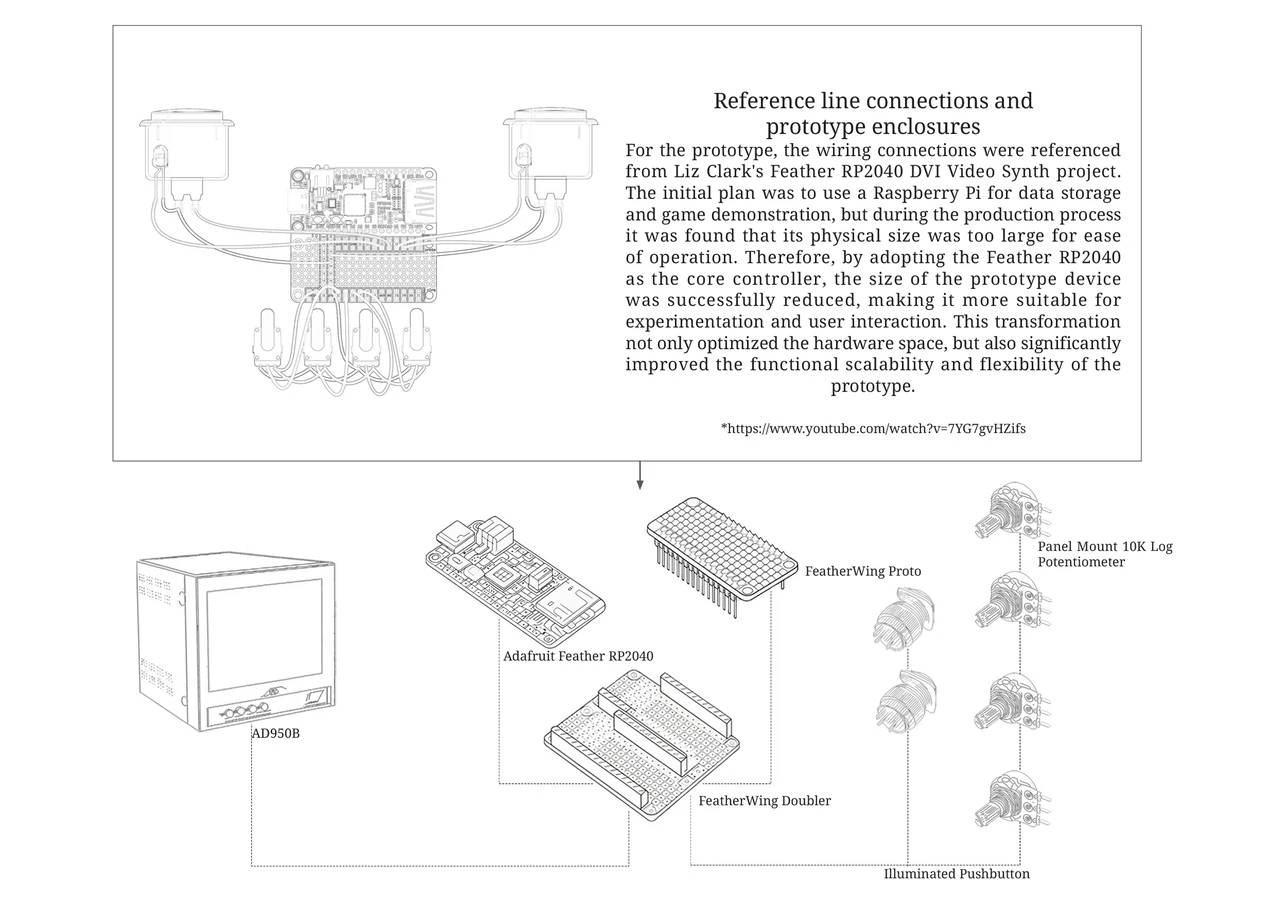
Tools & Technologies: Raspberry Pi, old analog television display, custom generative line engine, knob- and button-based controller, computer-vision edge/feature extraction, distance- and randomness-based point-connection algorithms, Python/Processing for real-time visualization
Introduction
Manipulate the Lines is an interactive visual system that explores the expressive potential of lines as both visual form and computational behavior.
The project invites participants to work with lines as dynamic elements that can be transformed, animated, and manipulated in real time. Rather than treating lines as fixed graphical primitives, the system foregrounds their flexible, generative, and performative qualities—revealing how simple elements can carry complex structure, rhythm, and interaction.
Concept
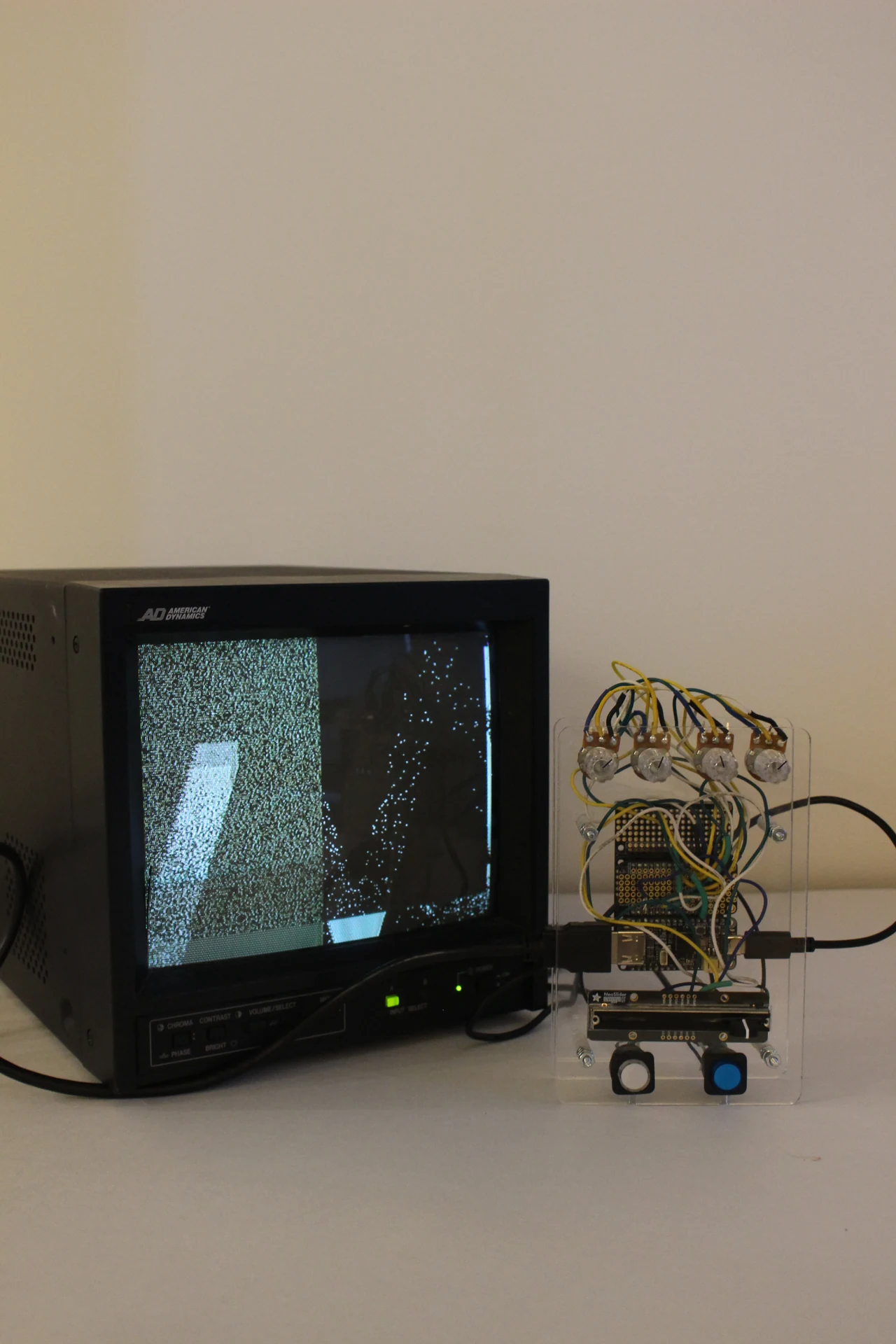
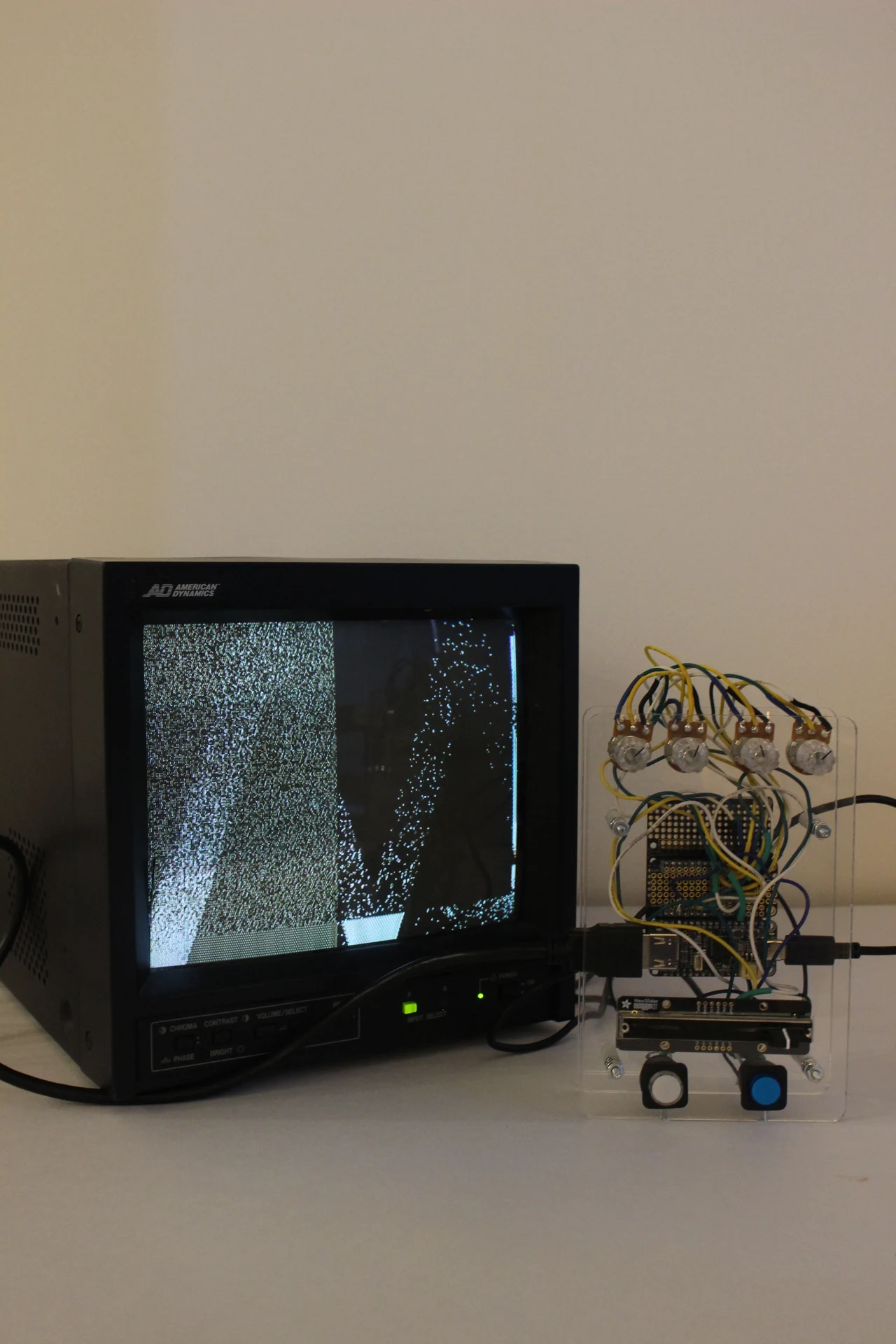
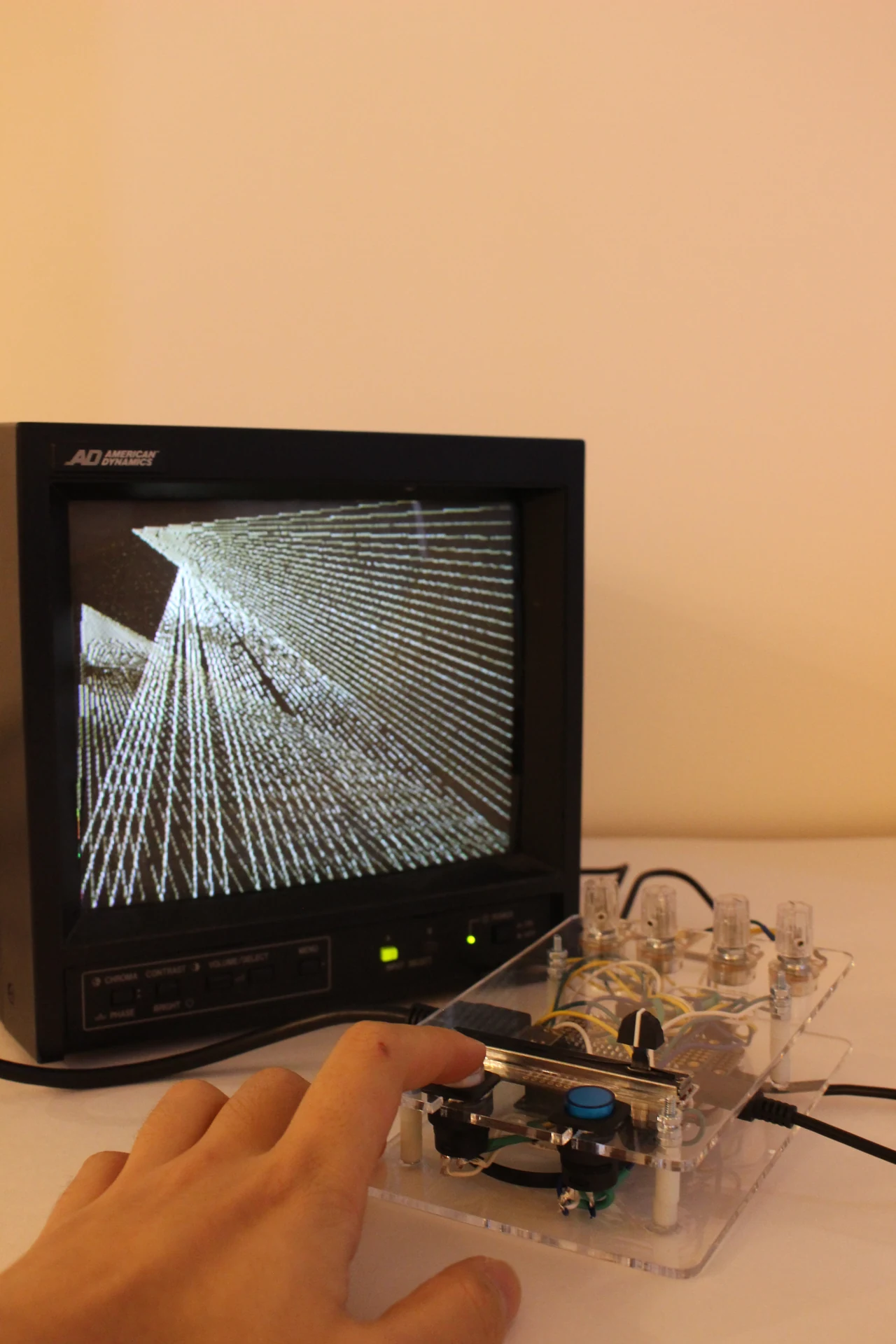
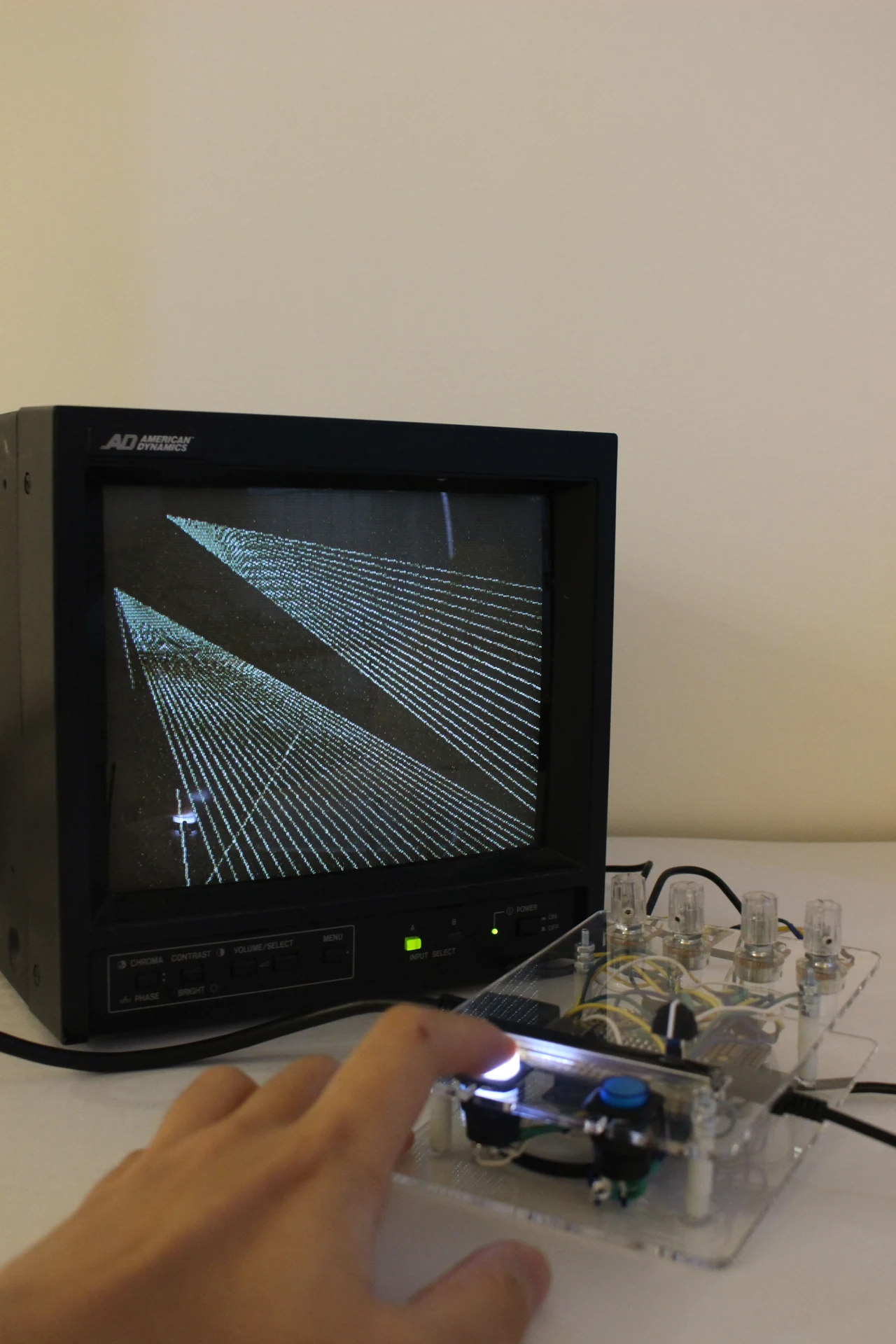
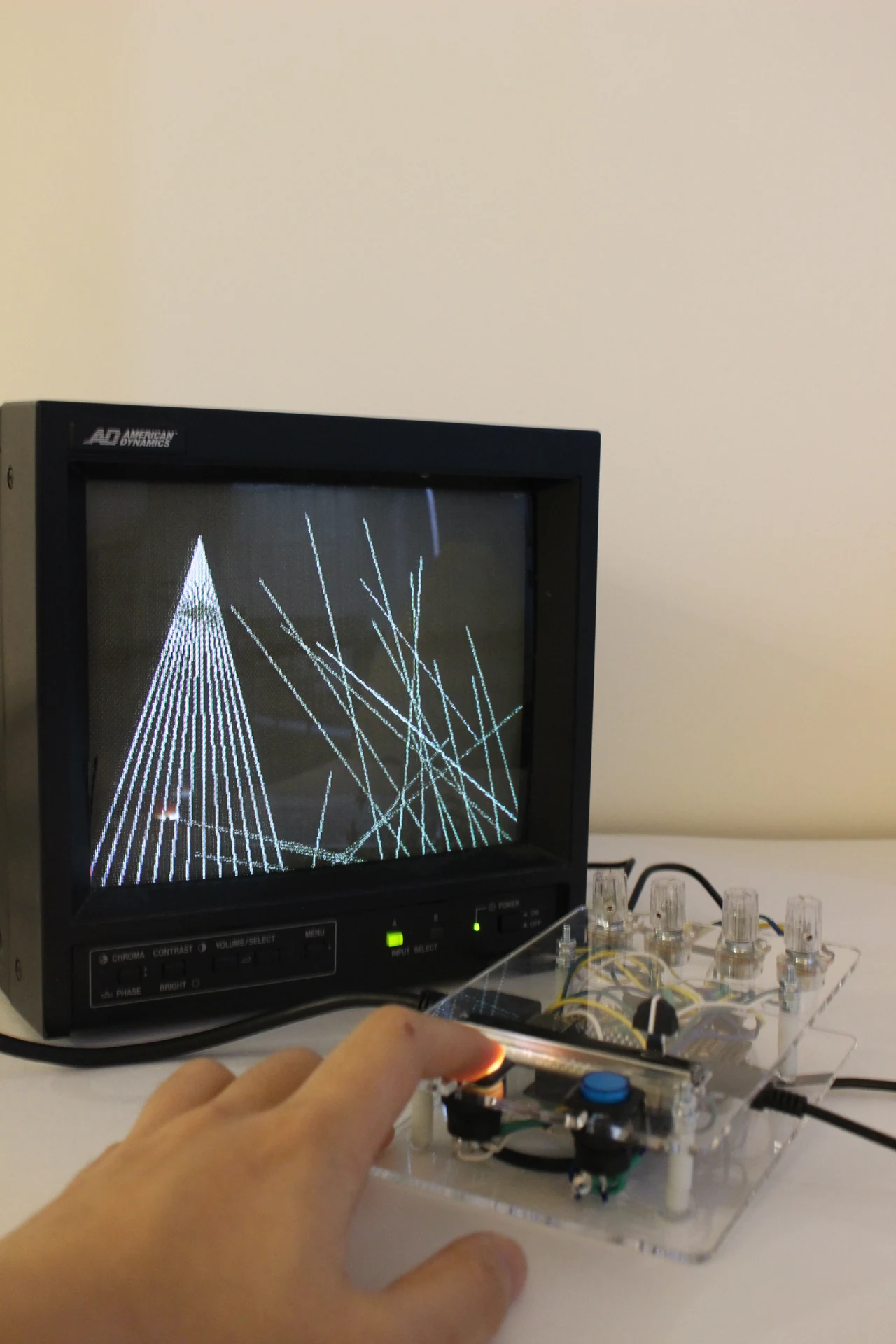
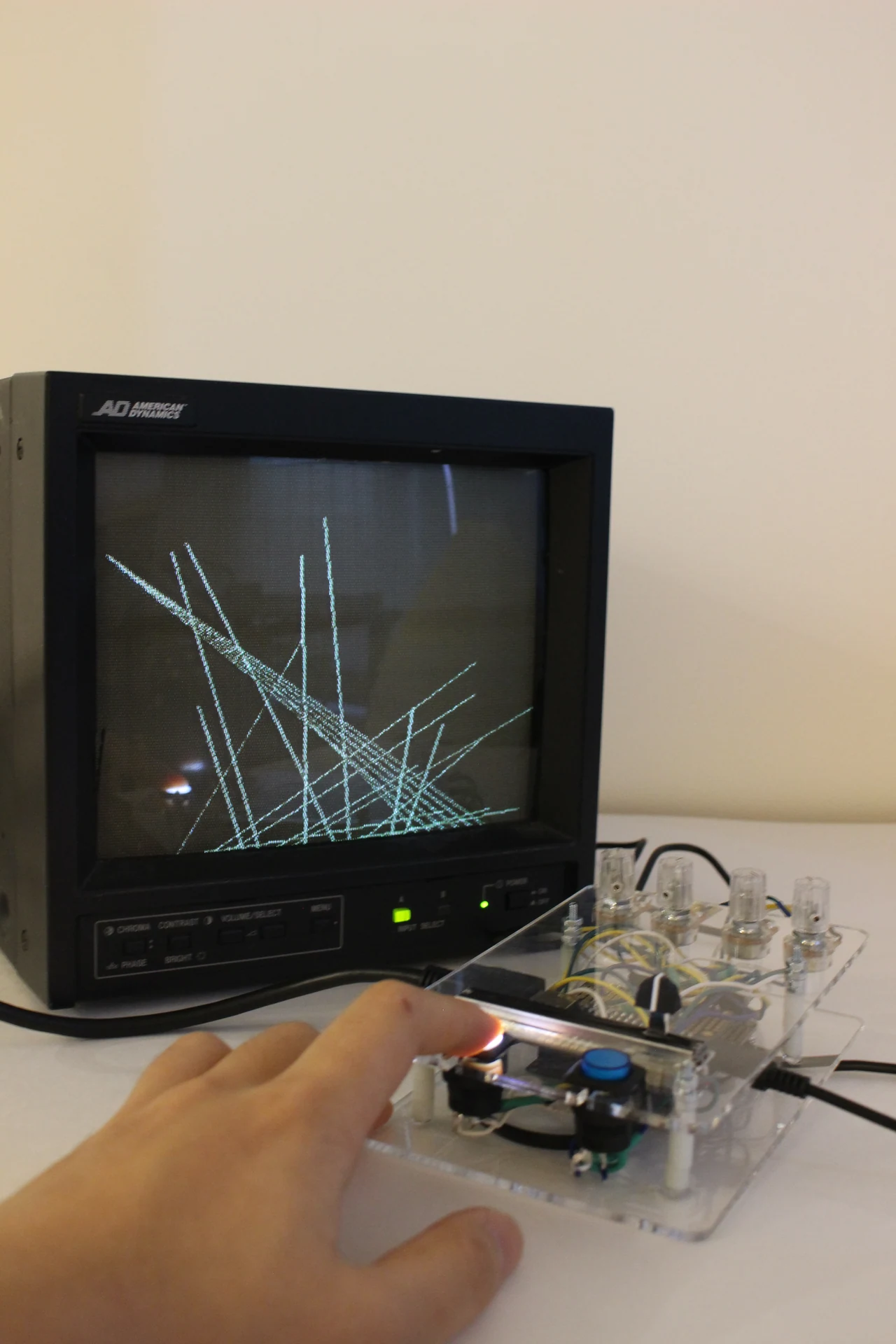
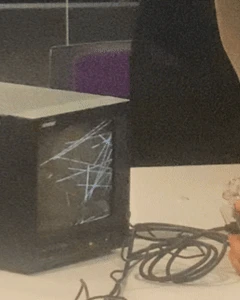
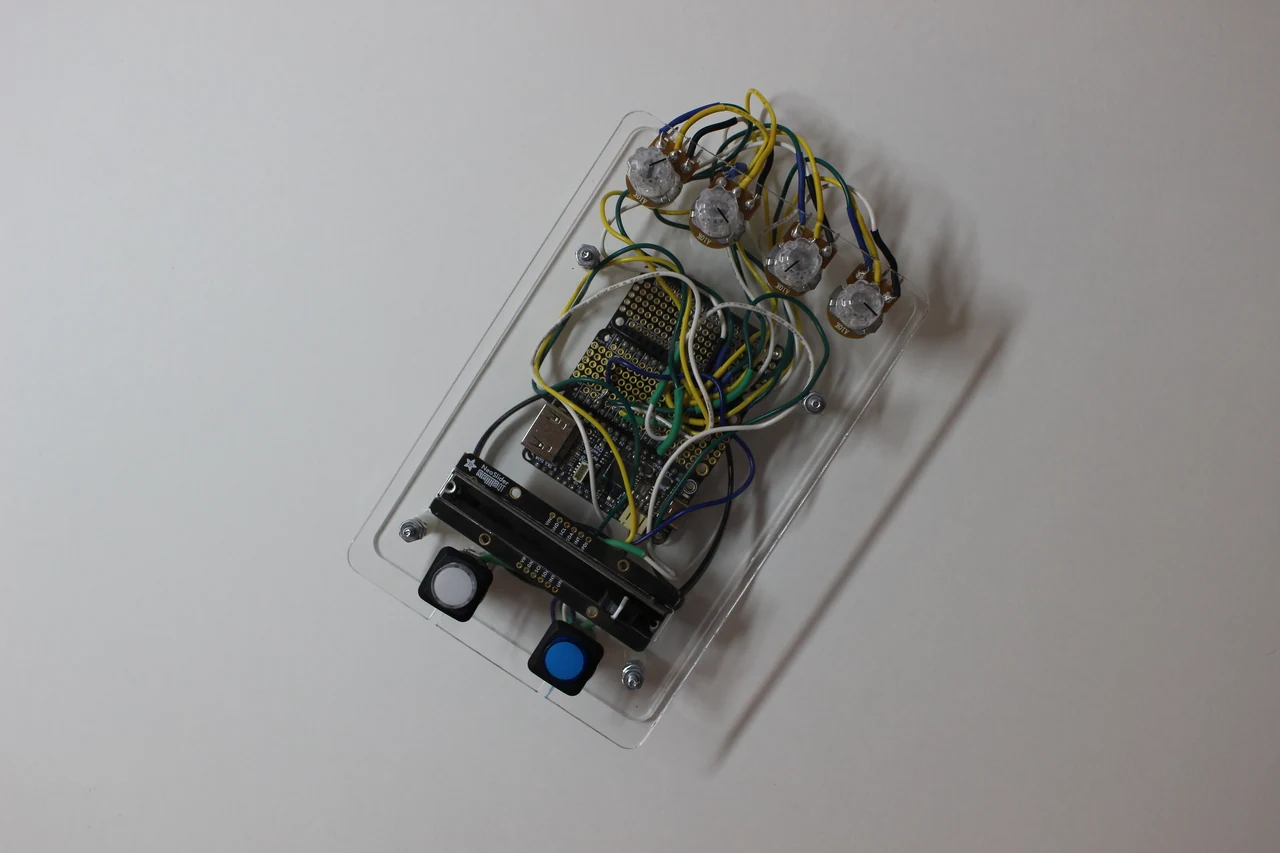
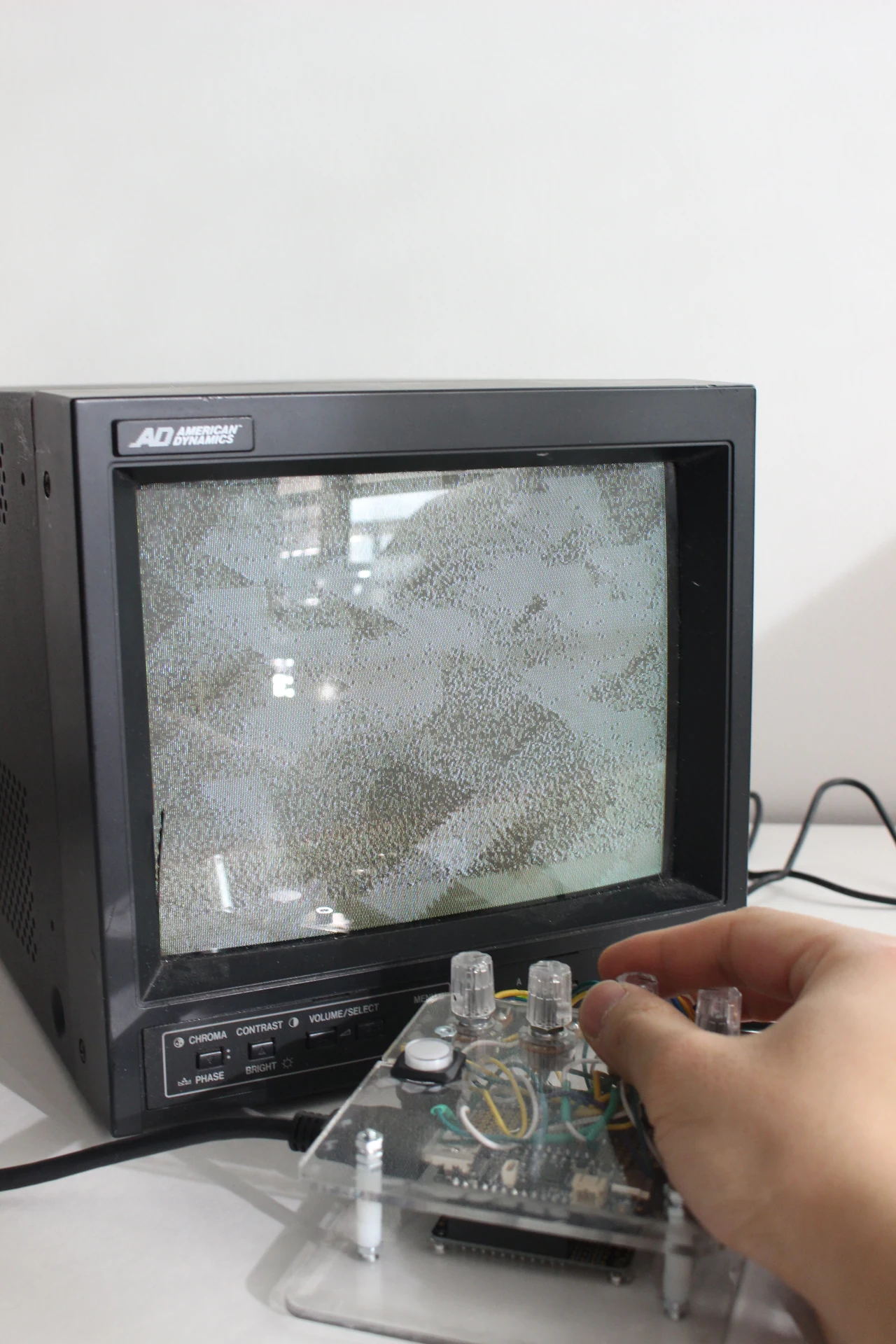
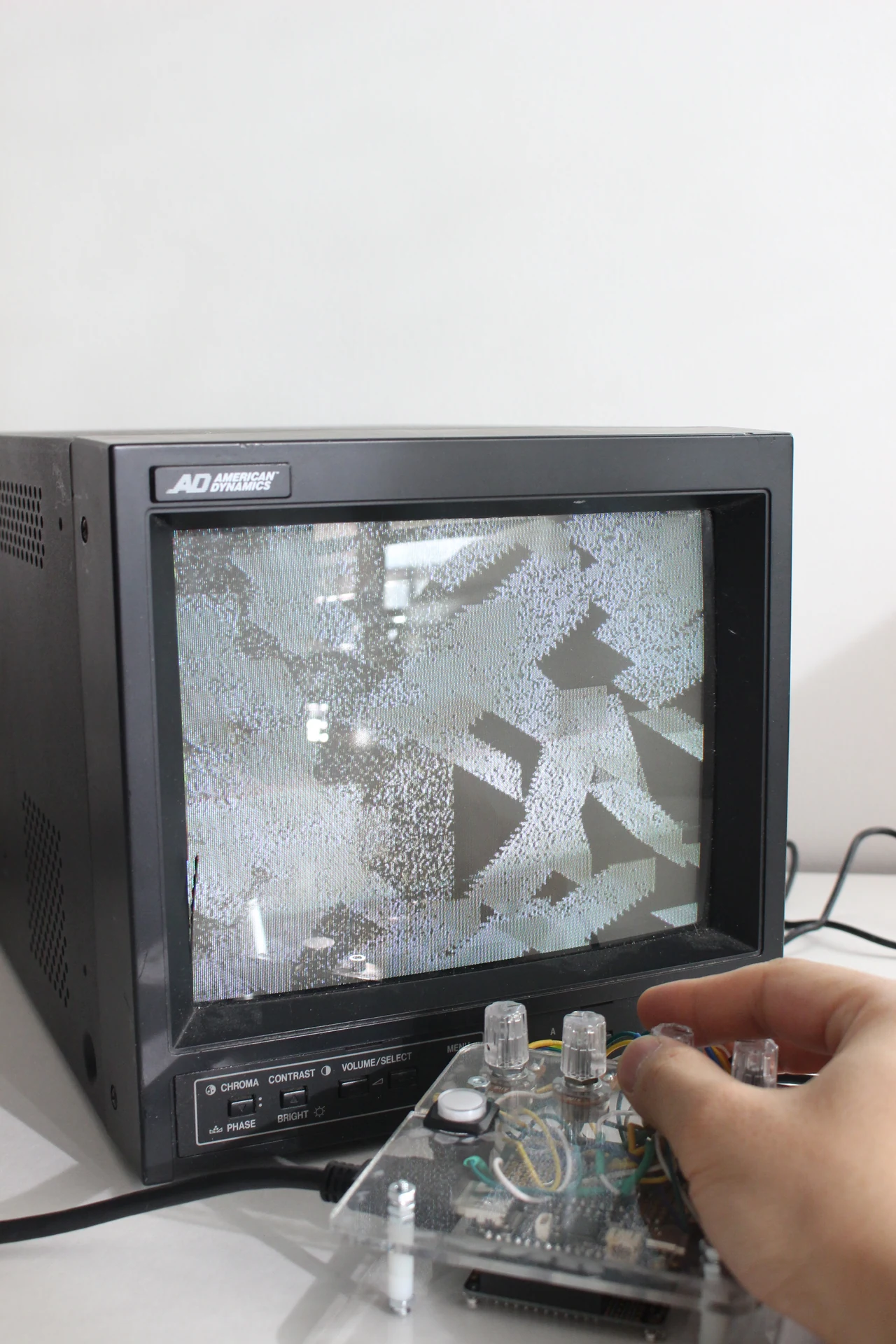
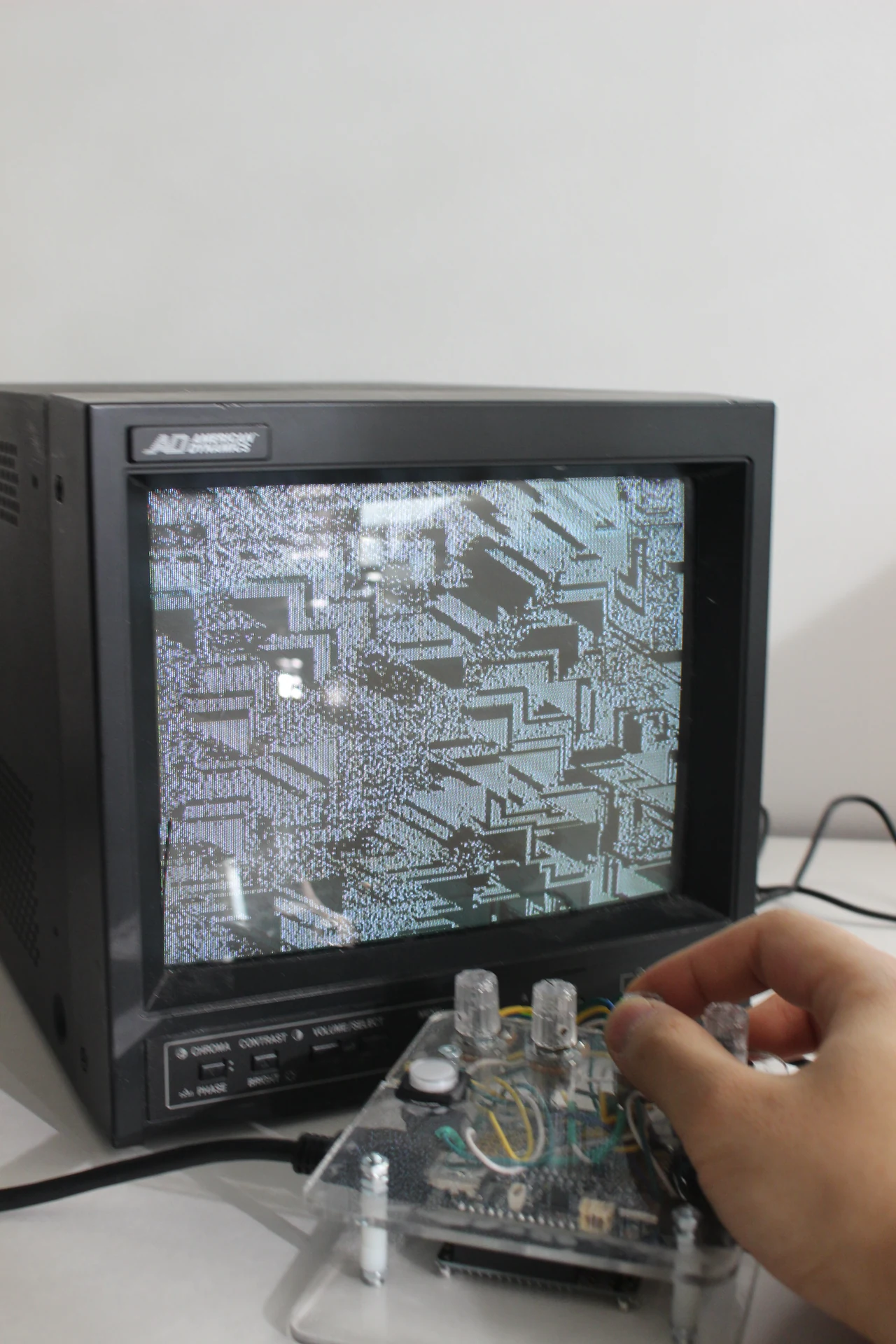
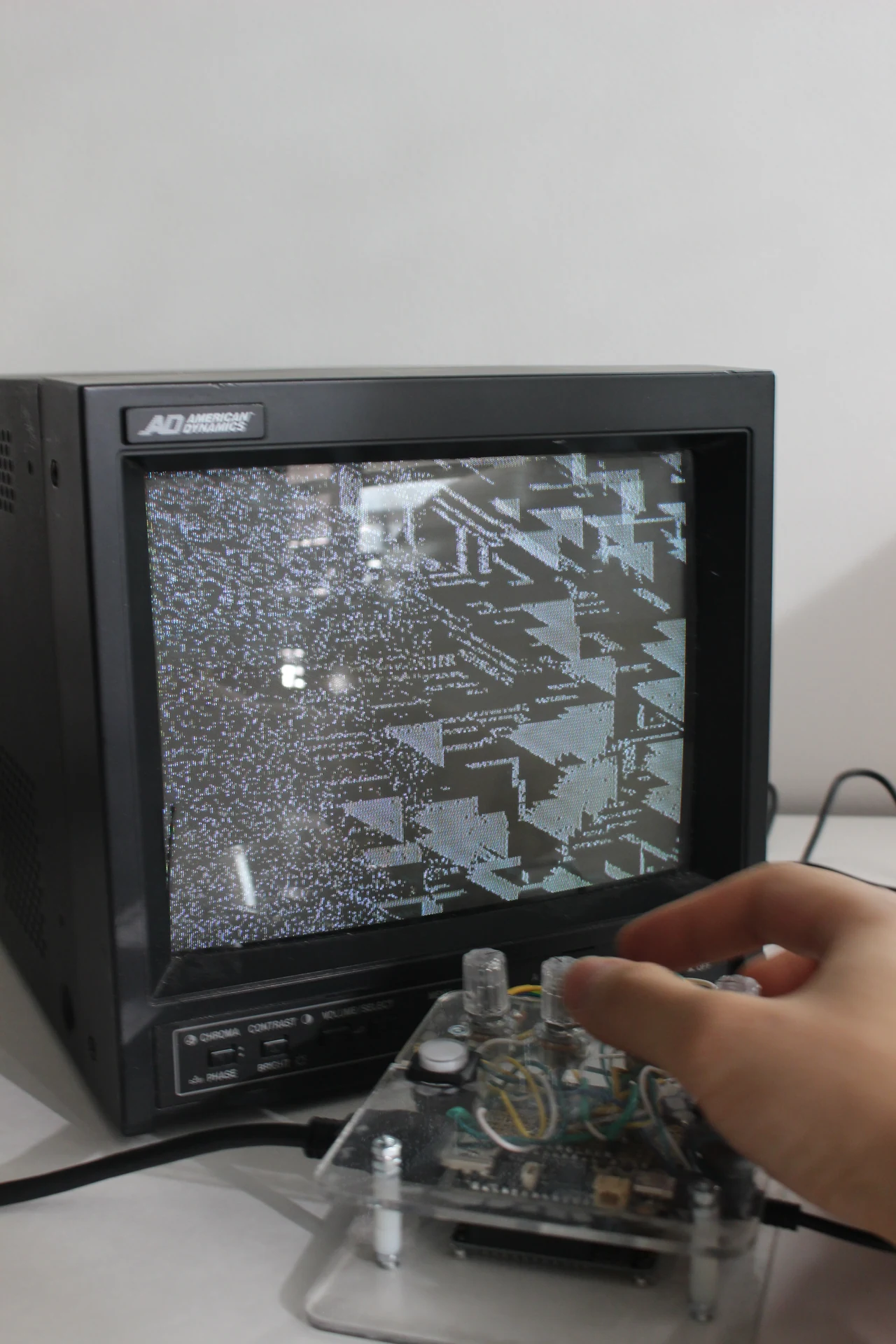
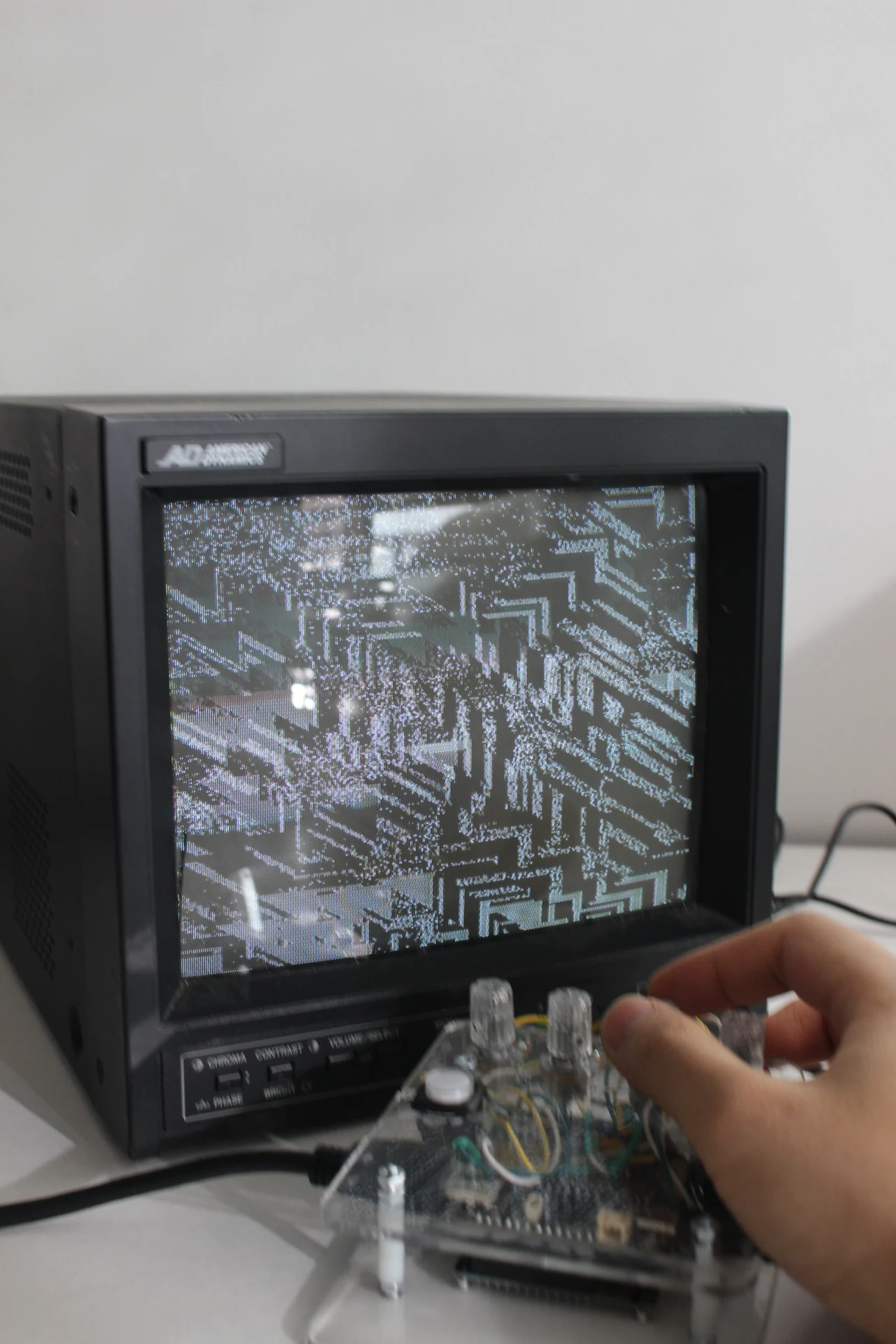
In my conception, “thread” becomes a visual and conceptual metaphor — a way to describe the invisible relationships that bind emotions, memories, and generations together. The project uses an old television set, controlled through knobs and buttons, to generate dynamic, manipulable lines on the screen. This interaction evokes the tactile improvisation of childhood tinkering, turning the television into a device for tracing emotional memory and embodied exploration.
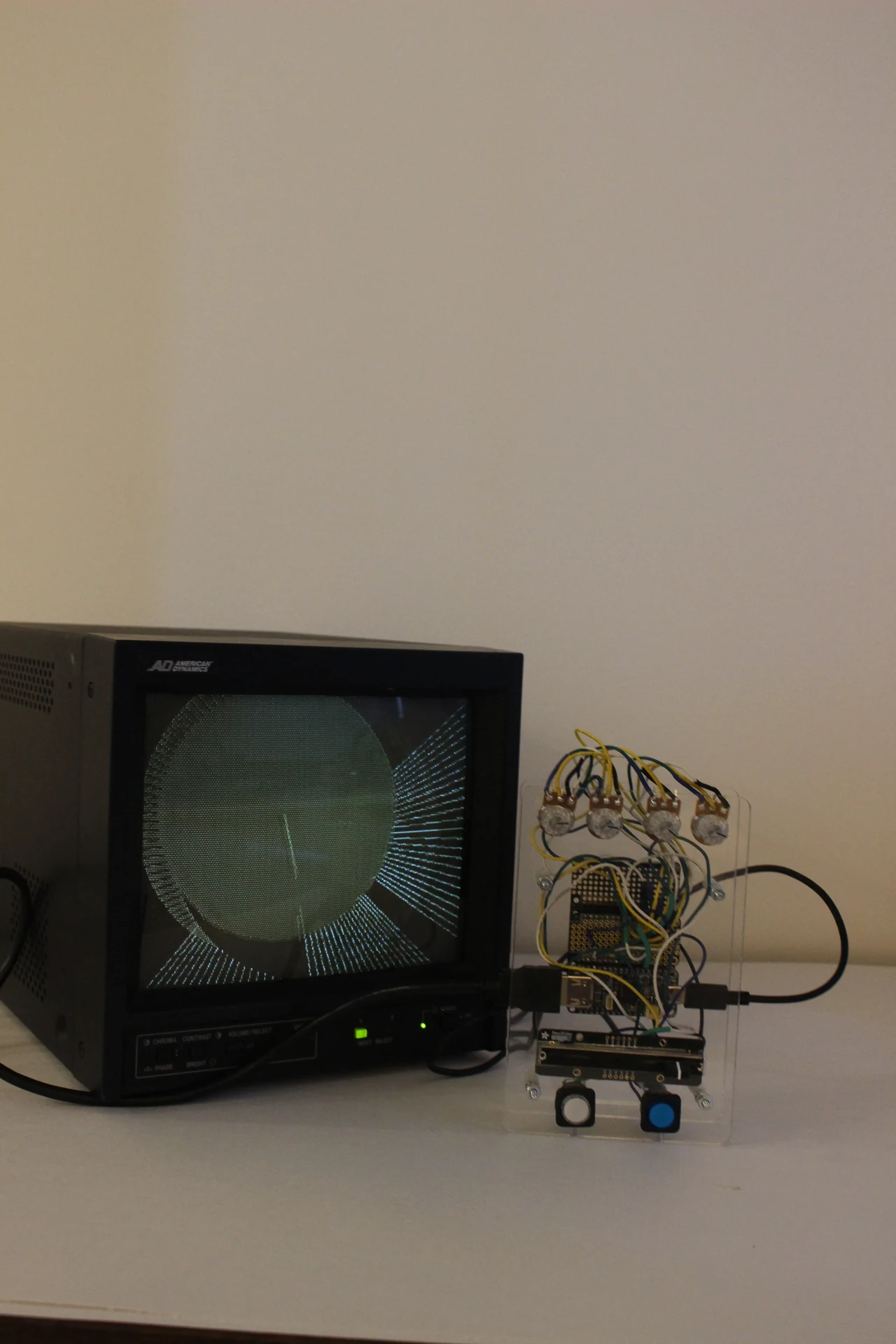
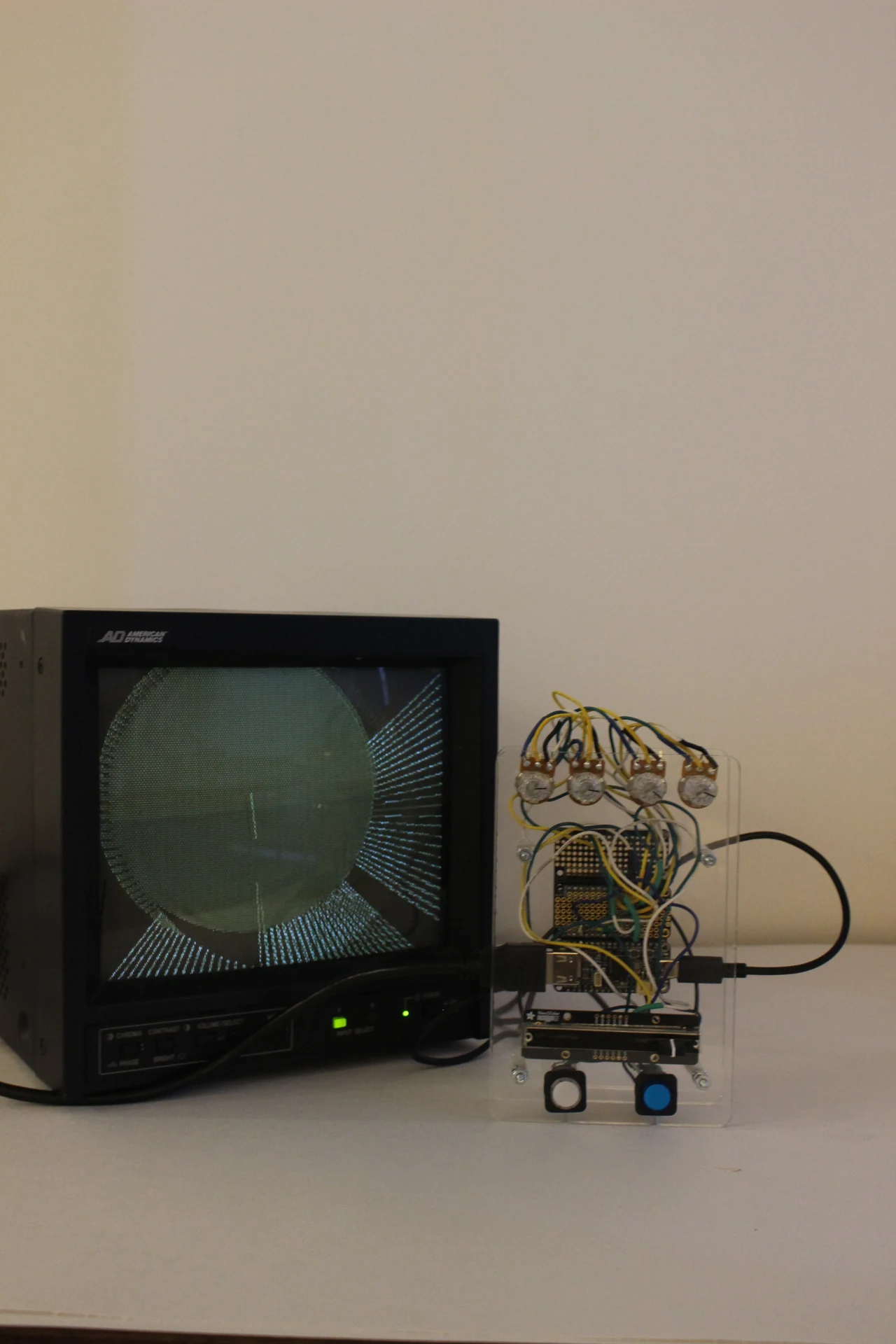
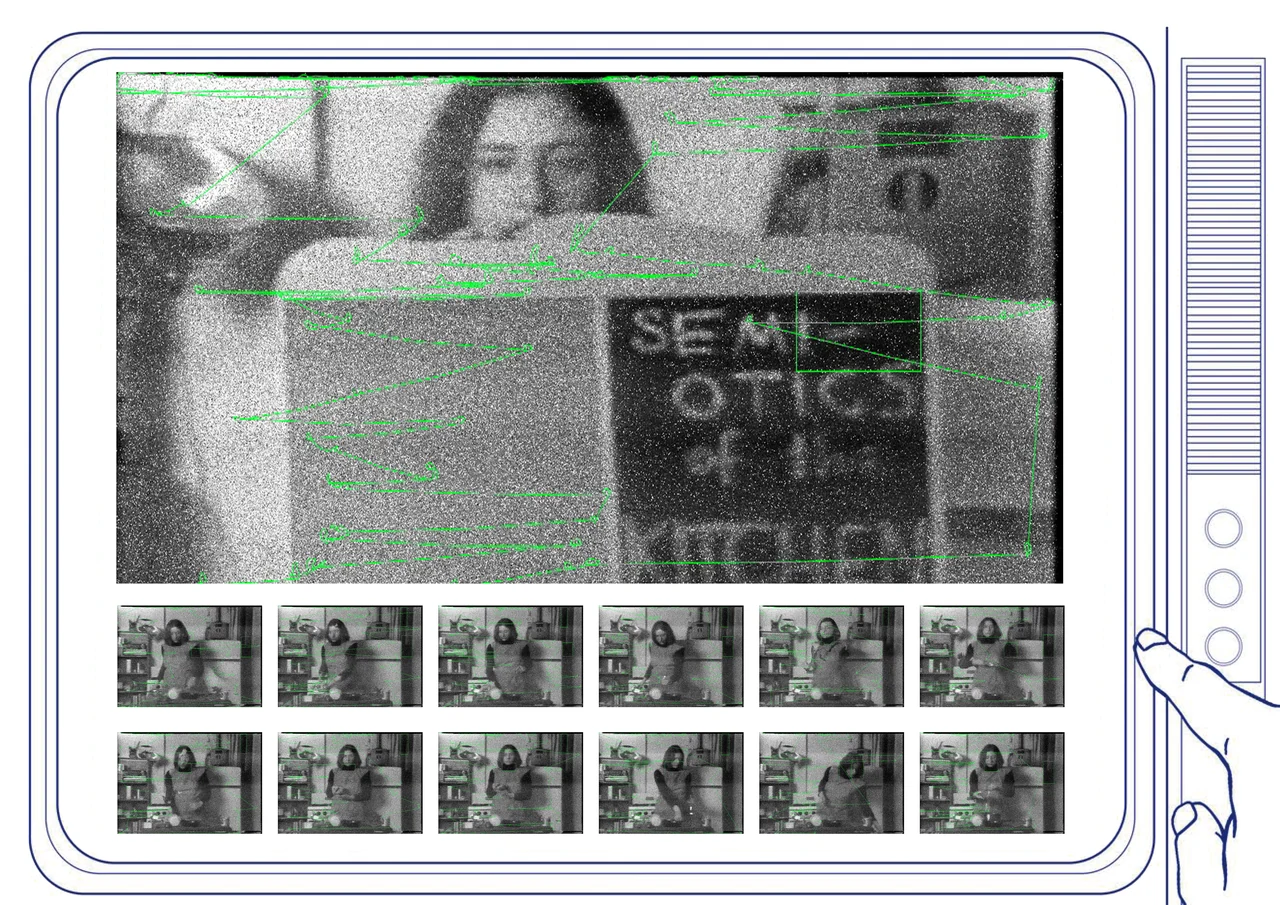
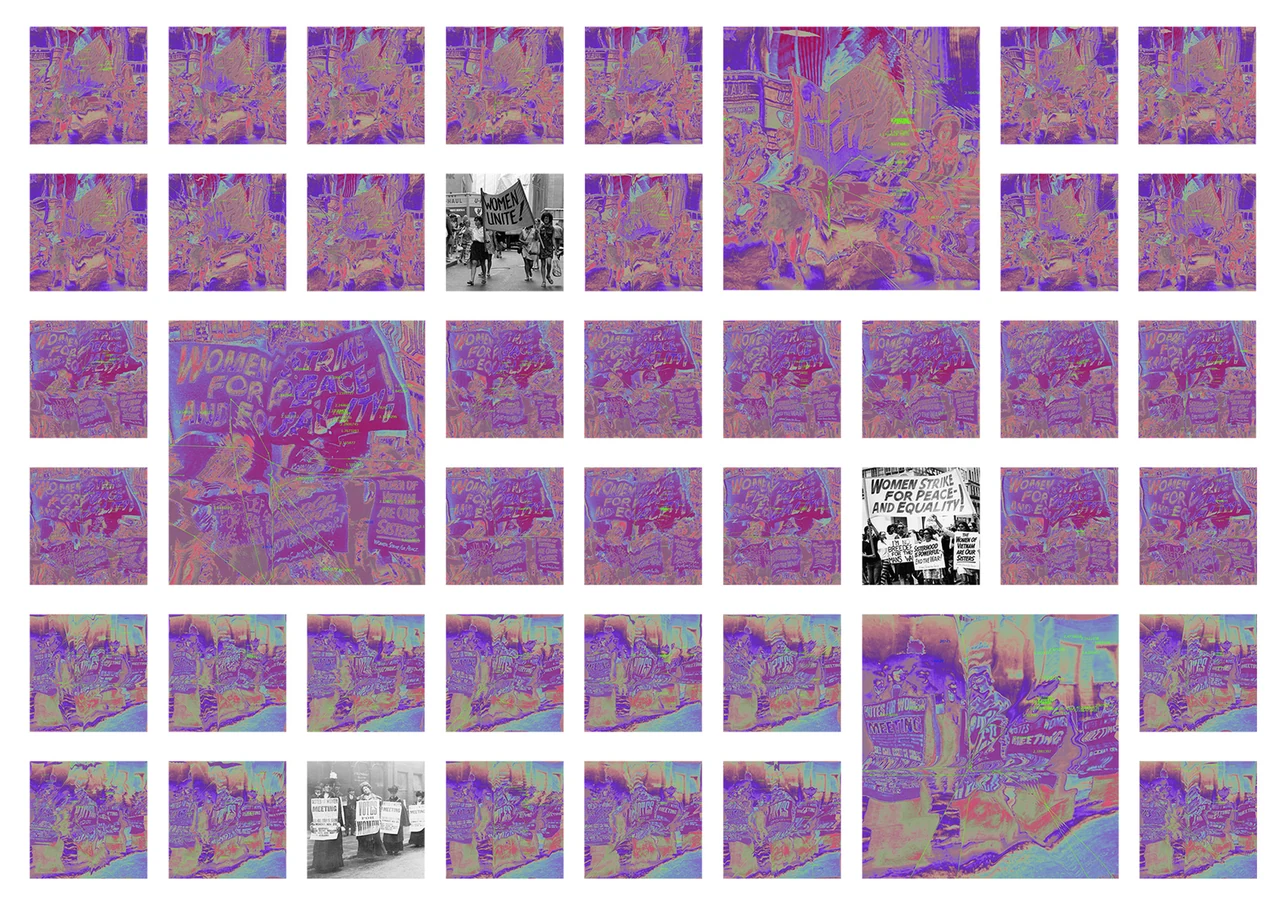
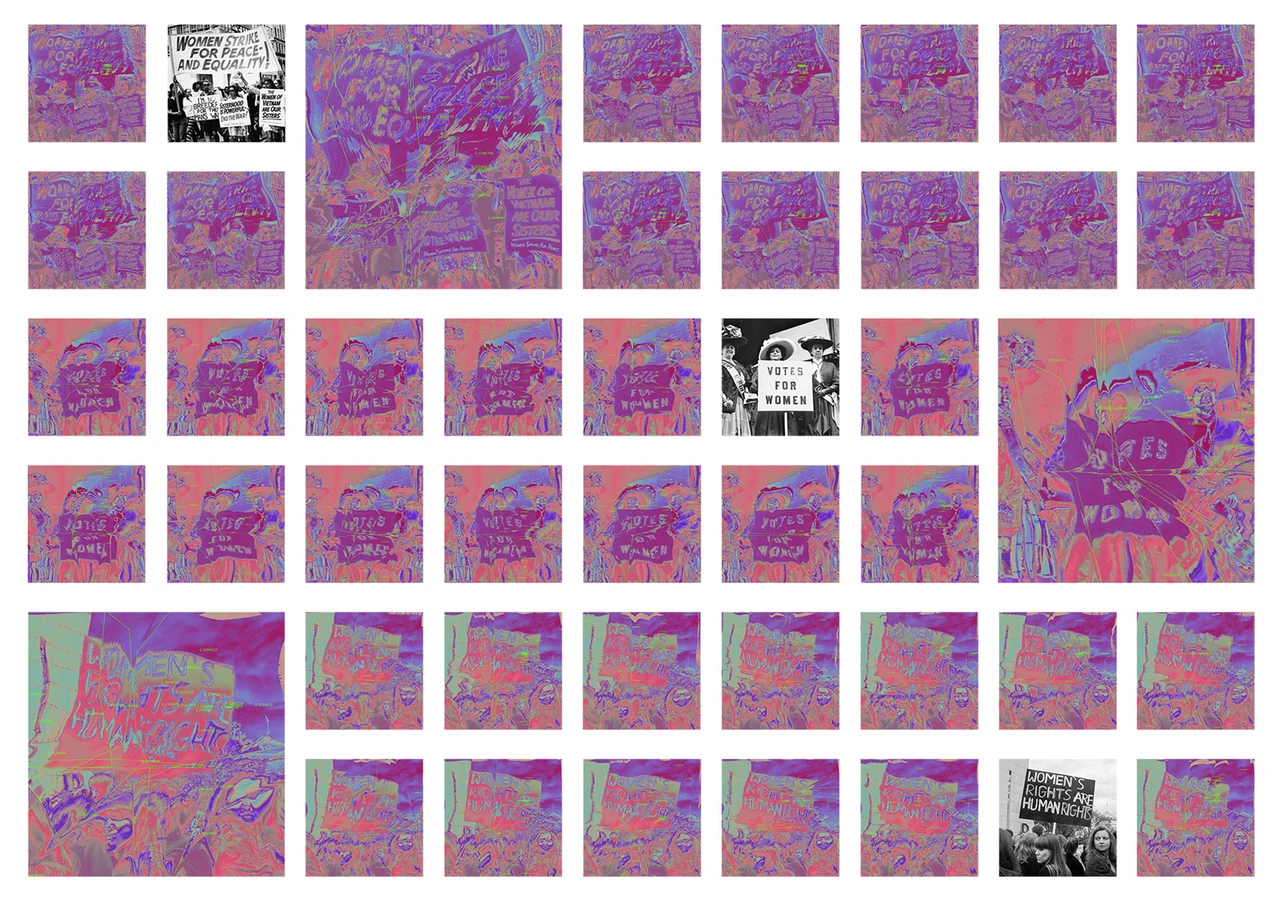
The idea of invisible connections also draws inspiration from Martha Rosler’s Semiotics of the Kitchen. In her video, household tools serve as symbolic extensions of women’s bodies, revealing how domestic labor is both material and socially constructed. Building on this reading, I analyzed objects from Rosler’s work algorithmically — extracting keypoints from their edges and silhouettes. By connecting these points through distance thresholds, adaptive rules, or controlled randomness, the system generates emergent “threads” that visually articulate the hidden structures of care, labor, and expectation.
Through this process, Manipulate the Lines treats lines not merely as graphical primitives but as emotional and political connectors. Each generated line embodies a relationship: between memory and interface, body and object, private labor and public meaning. The result is a system where computational manipulation becomes a metaphorical act — revealing how seemingly simple lines can carry the weight of gendered histories and intergenerational experiences.
System
The system consists of three core components:
Interactive Input
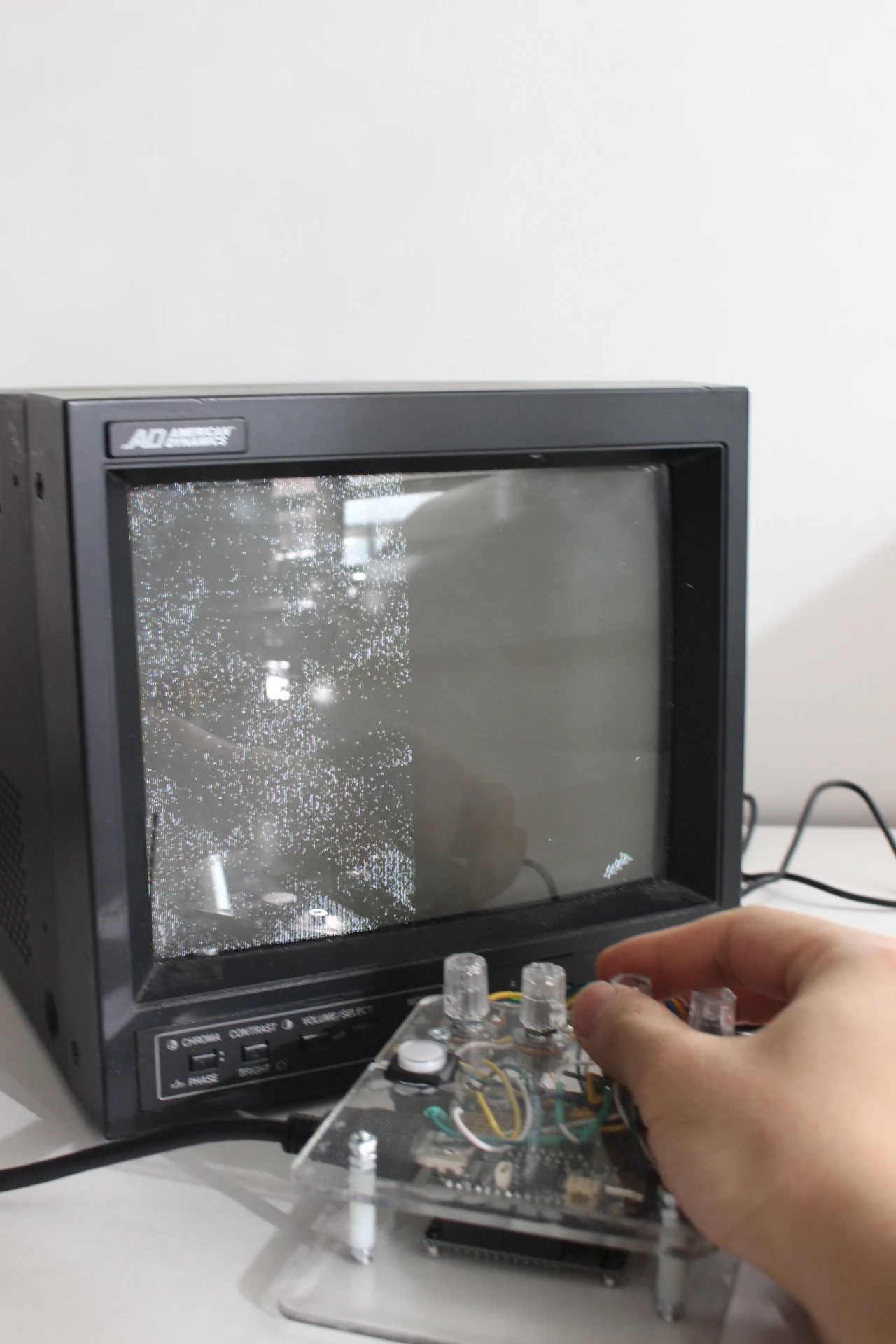
Users turn knobs and press buttons to control the generated lines on the television display. These physical inputs adjust the system’s visual parameters in real time.
Algorithmic Manipulation
The system analyzes the line’s structure (length, curvature, density) and applies one or more transformation modules—including:
-
Bending and easing functions
-
Noise-based perturbation
-
Rhythmic segmentation
-
Constraint solvers that enforce interaction rules
Visual Output Rendering
The transformed lines are rendered in real time using a custom drawing engine that emphasizes smooth transitions, kinetic rhythm, and spatial coherence.
Users can explore both deterministic responses (repeatable transformations based on rules) and stochastic variations (introducing controlled randomness into line behavior).
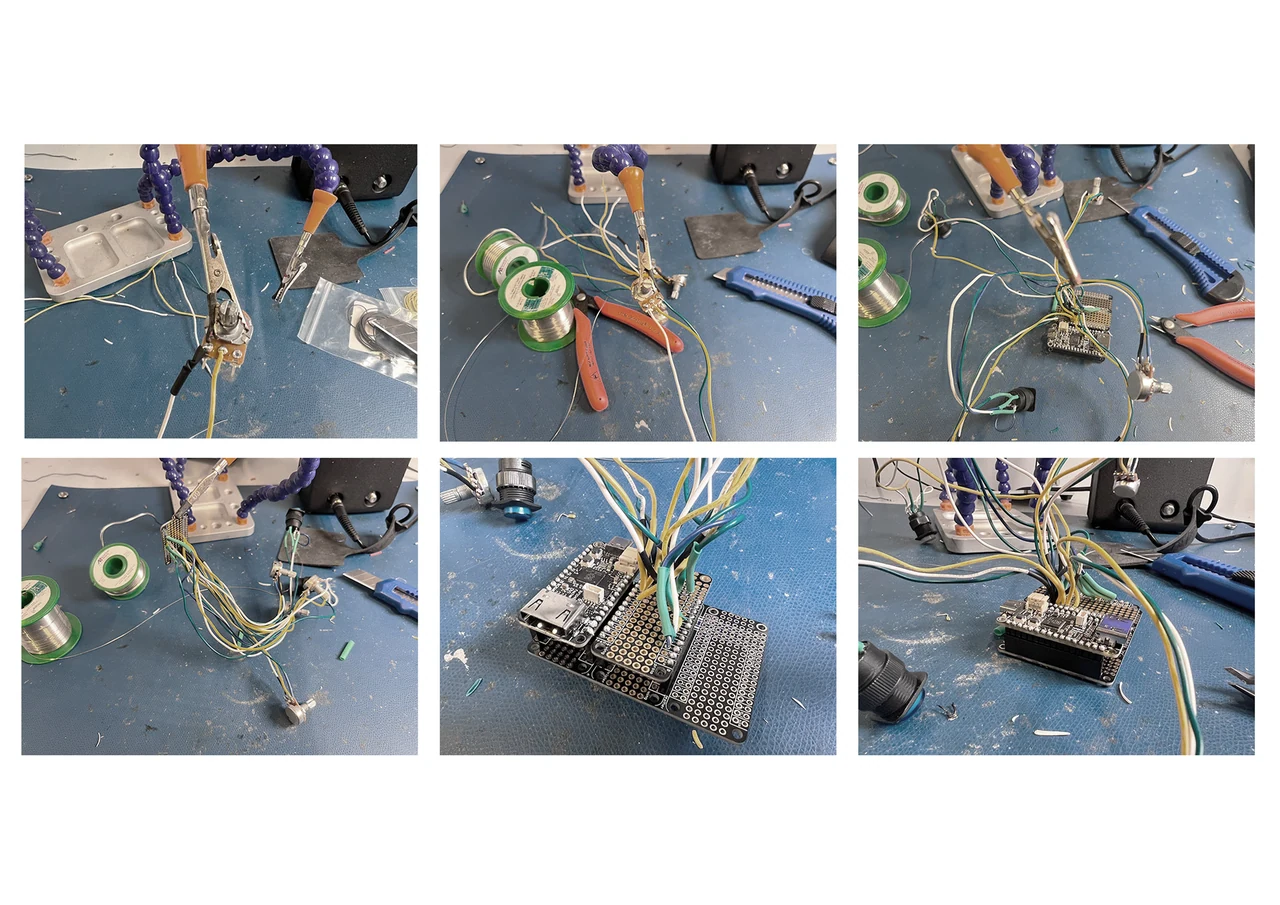
The system produces a wide range of outputs, from subtle line distortions to dramatic reconfigurations. Example results include:
-
Morphological transformations that bend lines into curves or folds while preserving continuity
-
Patterned sequences that evolve along generative time
-
Responsive sketches that adapt when users adjust control variables
-
Animated line behaviors that exhibit growth, oscillation, clustering, or repulsion
Each result reflects a dialogue between user intention and algorithmic logic—revealing how simple primitives can express complex, emergent structure.
Reflection
Manipulate the Lines expands the notion of what a “line” can be in computational visuals. By elevating lines from static elements to interactive behaviors, the project examines how basic graphical forms can serve as agents of expression and interaction.
Rather than prioritizing efficiency or utility, the system prioritizes exploration and resonance, seeking expressive richness from minimalist elements. This aligns with broader interests in generative design, embodied interaction, and creative coding—where systems become collaborators rather than tools.
Ultimately, the project suggests that even the simplest visual primitives can support nuanced, expressive, and improvisational forms of interaction when given computational life.