Inappropriate Appropriation
On this page
ARC–α: Inappropriate Appropriation
Architecture as Symbolic Disobedience
(GSD Thesis)
Instructor: Jon LottPersonal Project
Introduction
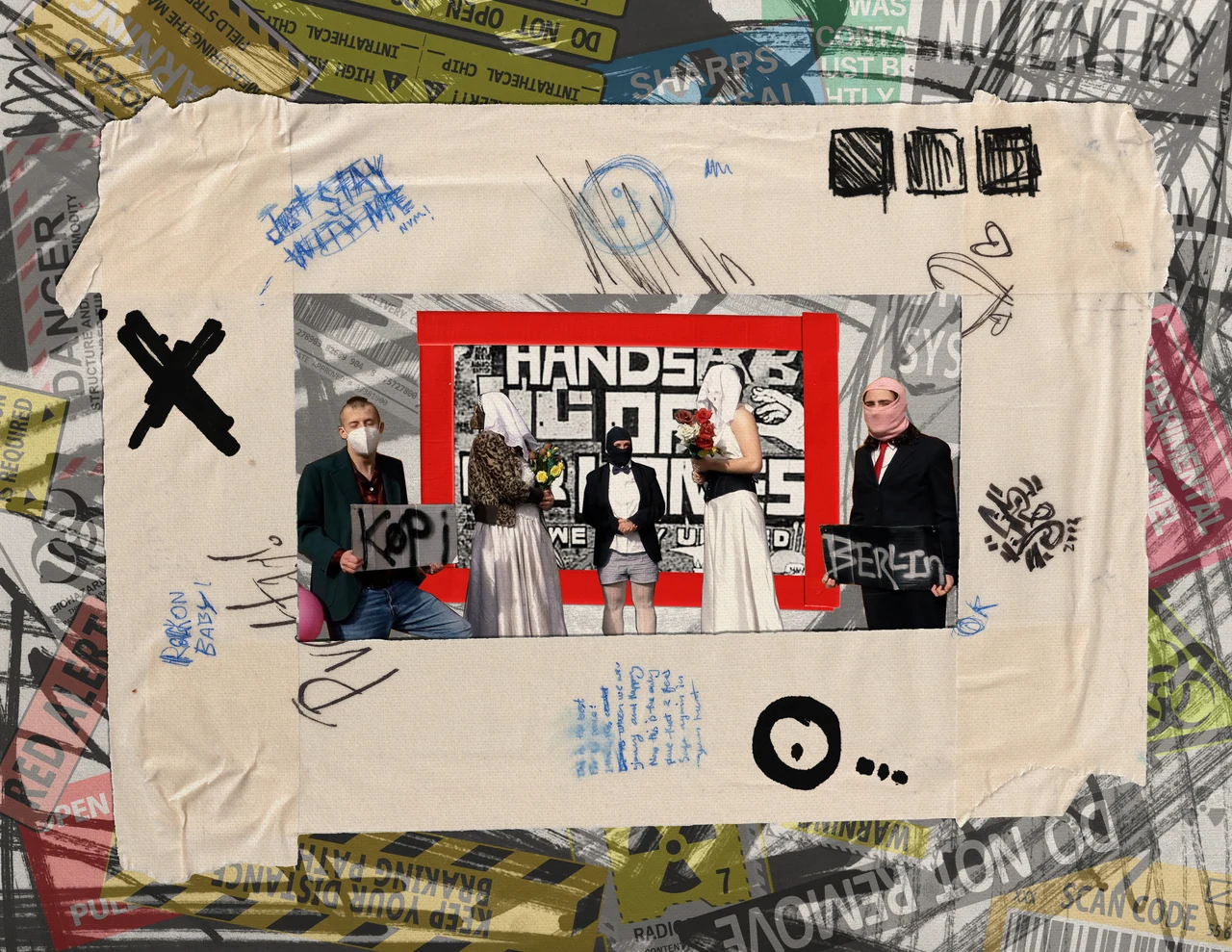
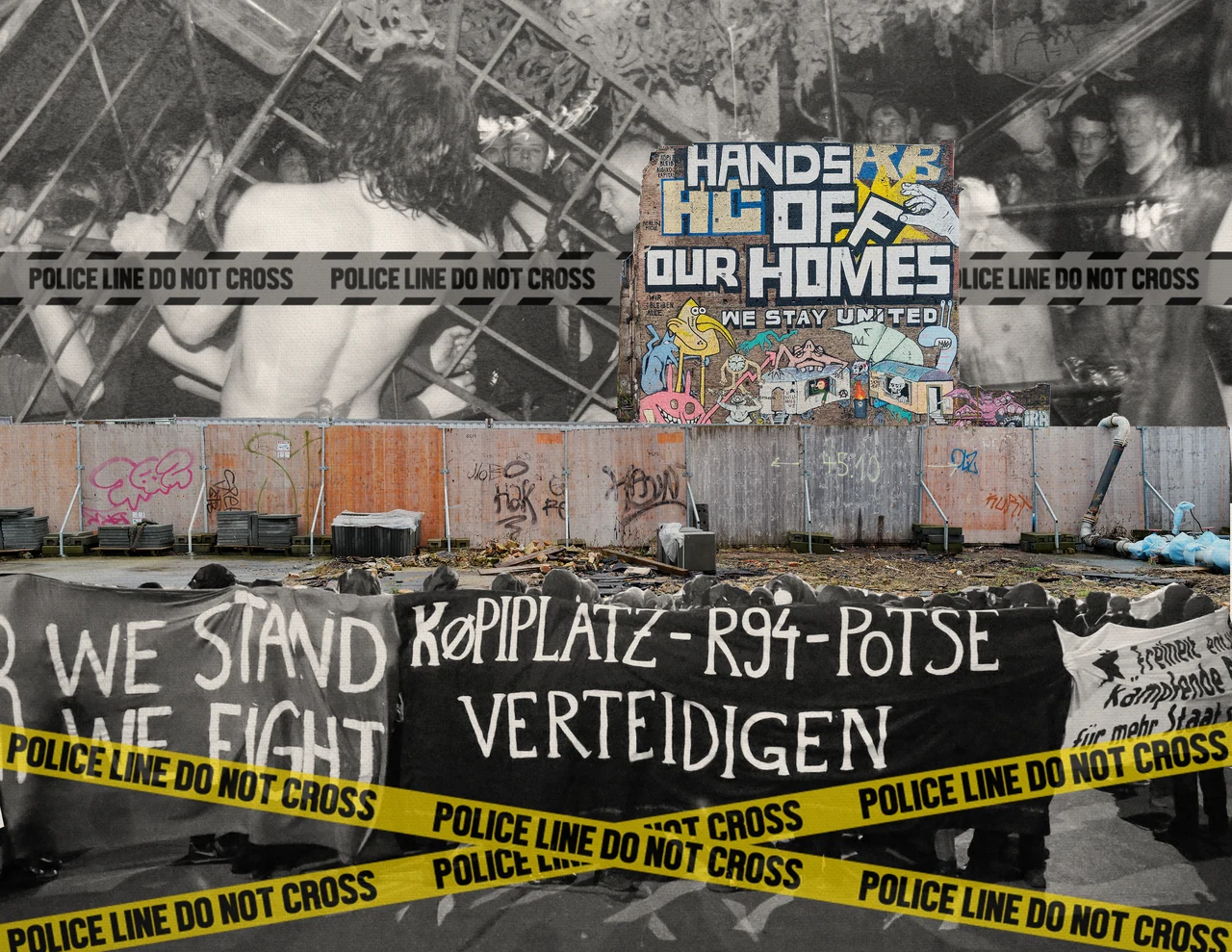
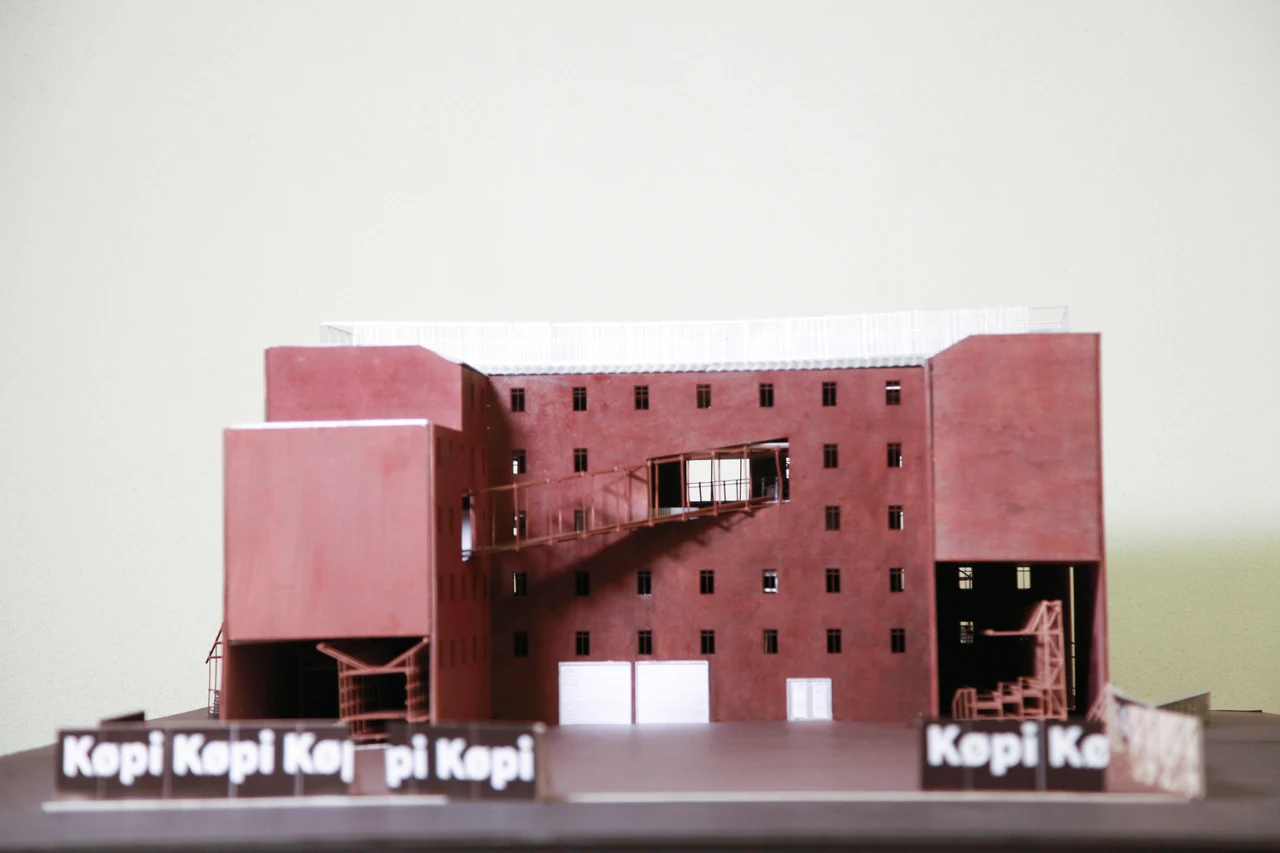
Inappropriate Appropriation is a thesis project that examines architecture as a form of symbolic disobedience, developed in response to the eviction conflict surrounding Köpi 137, a long-standing self-organized housing community in Berlin.
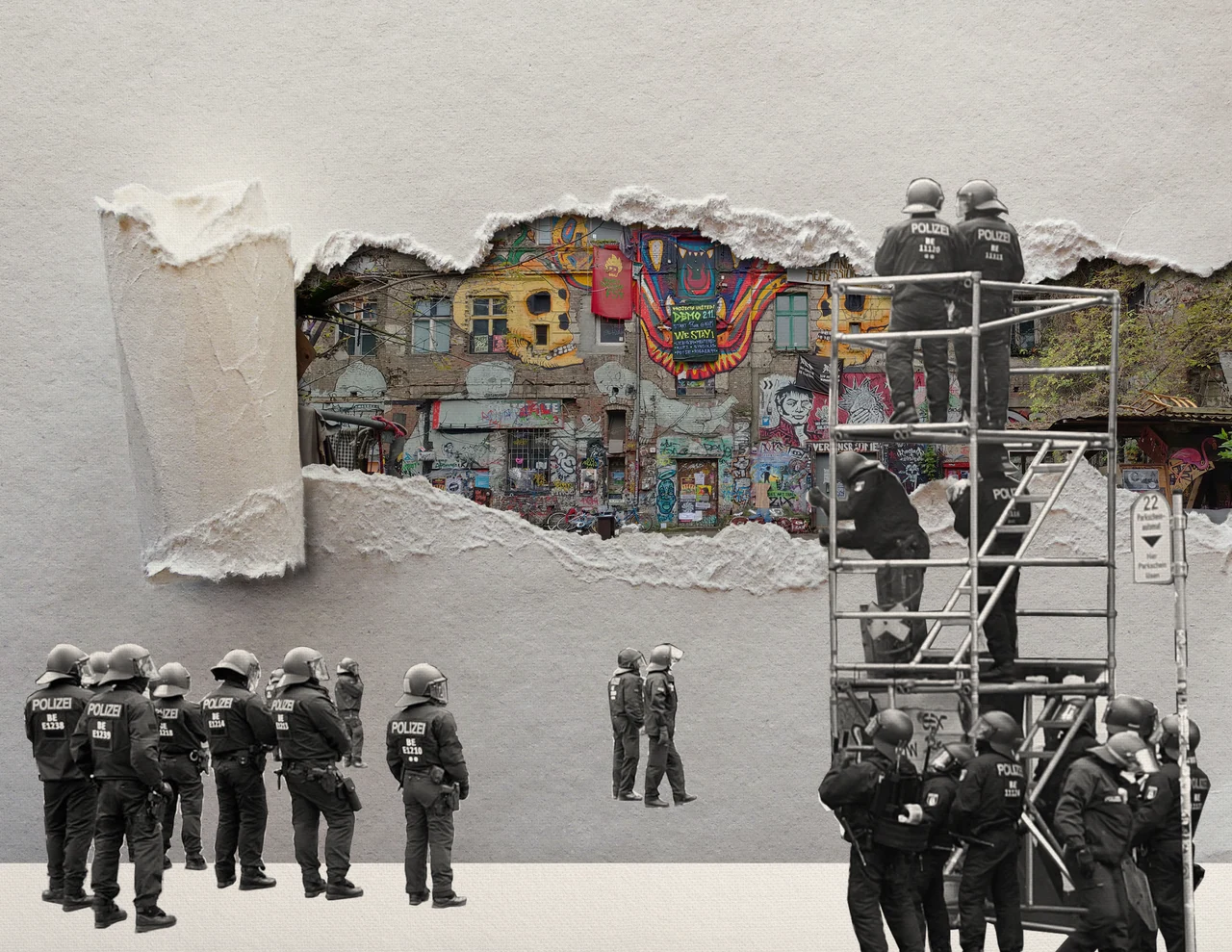
During the escalation of the conflict between residents and the city government, the site was placed under strict control. Photography, filming, and any form of direct documentation were explicitly prohibited. The absence of visual access transformed the site into a space that could not be officially seen, recorded, or represented. What remained accessible was only embodied presence—movement through space, partial views, sounds, atmospheres, and fleeting encounters.
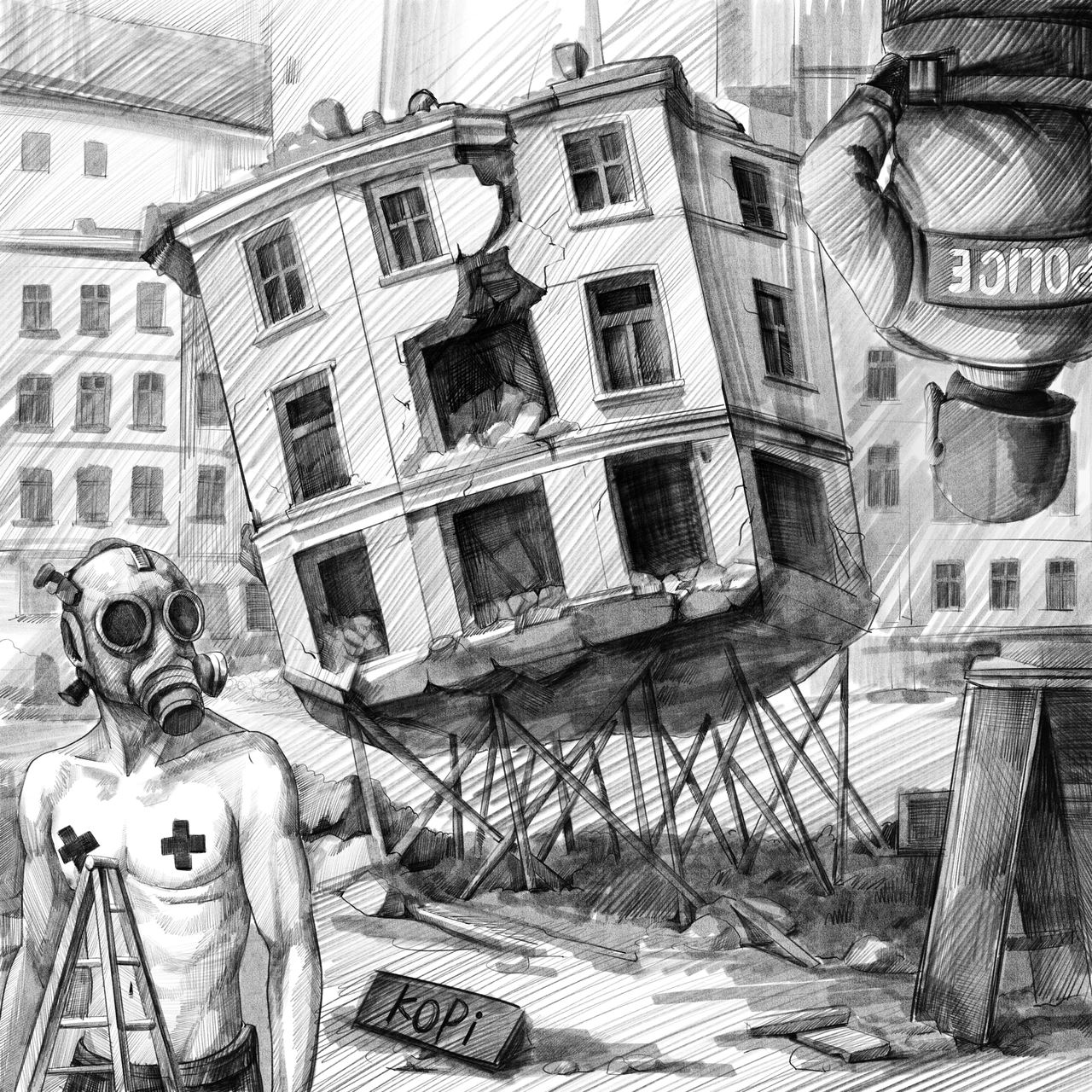
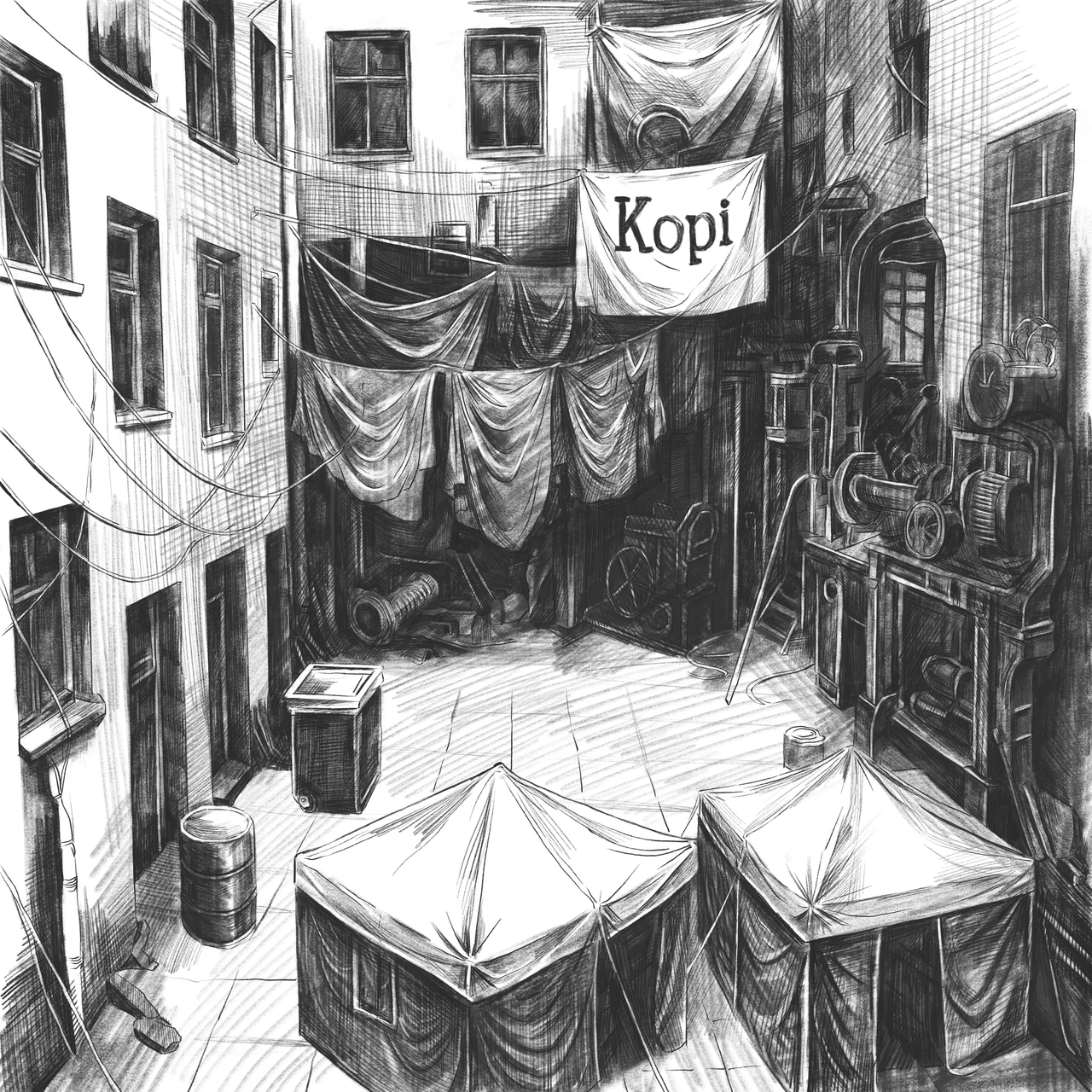
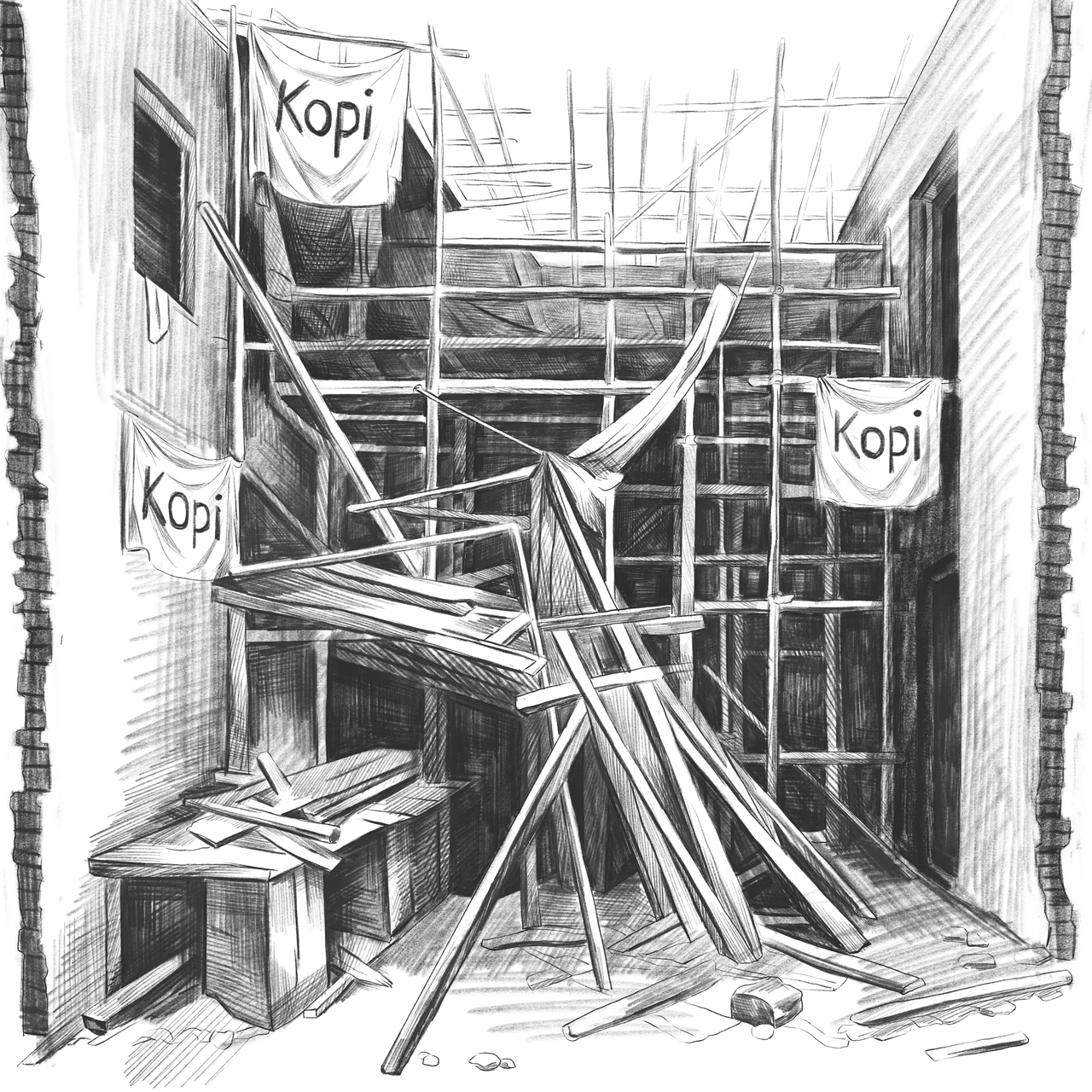
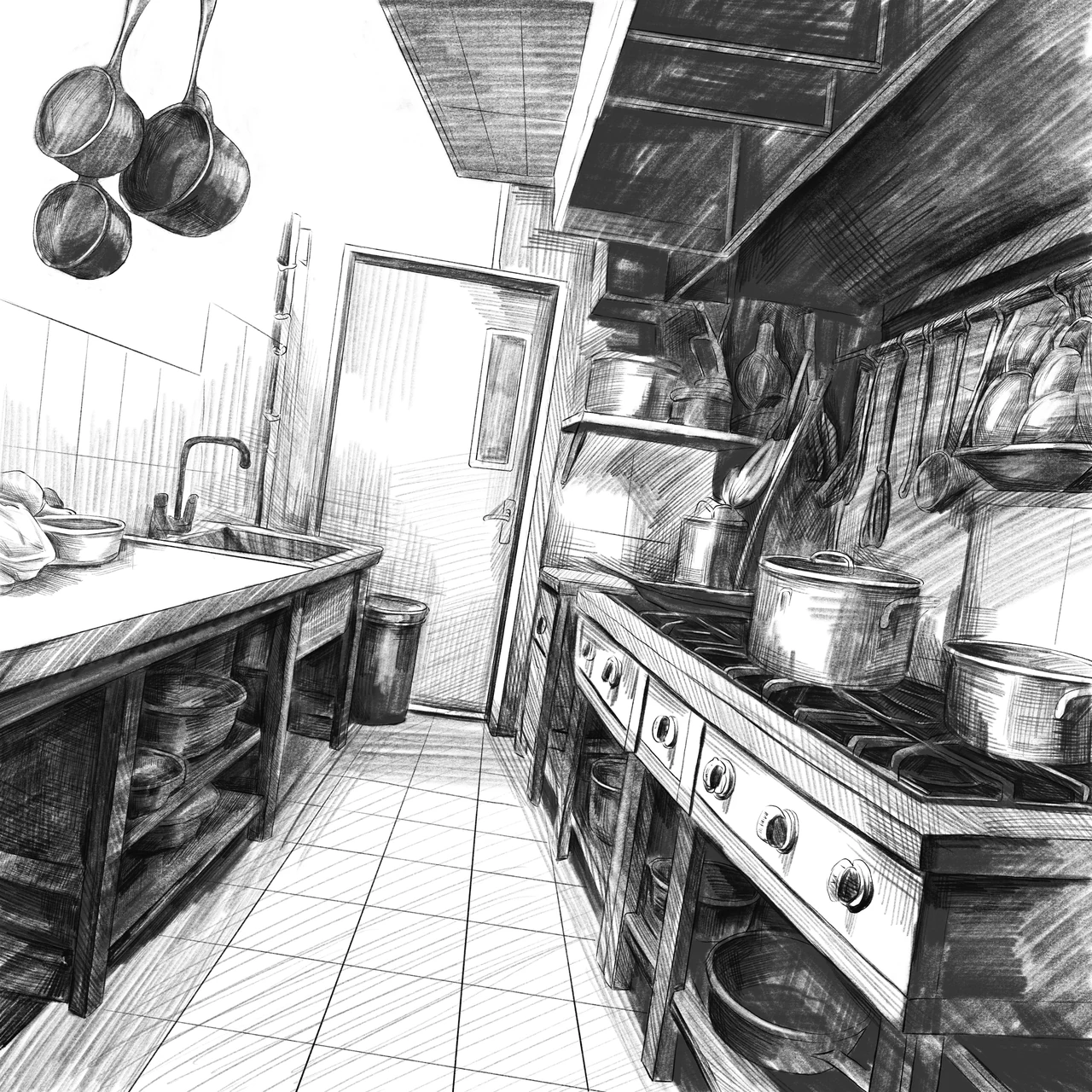
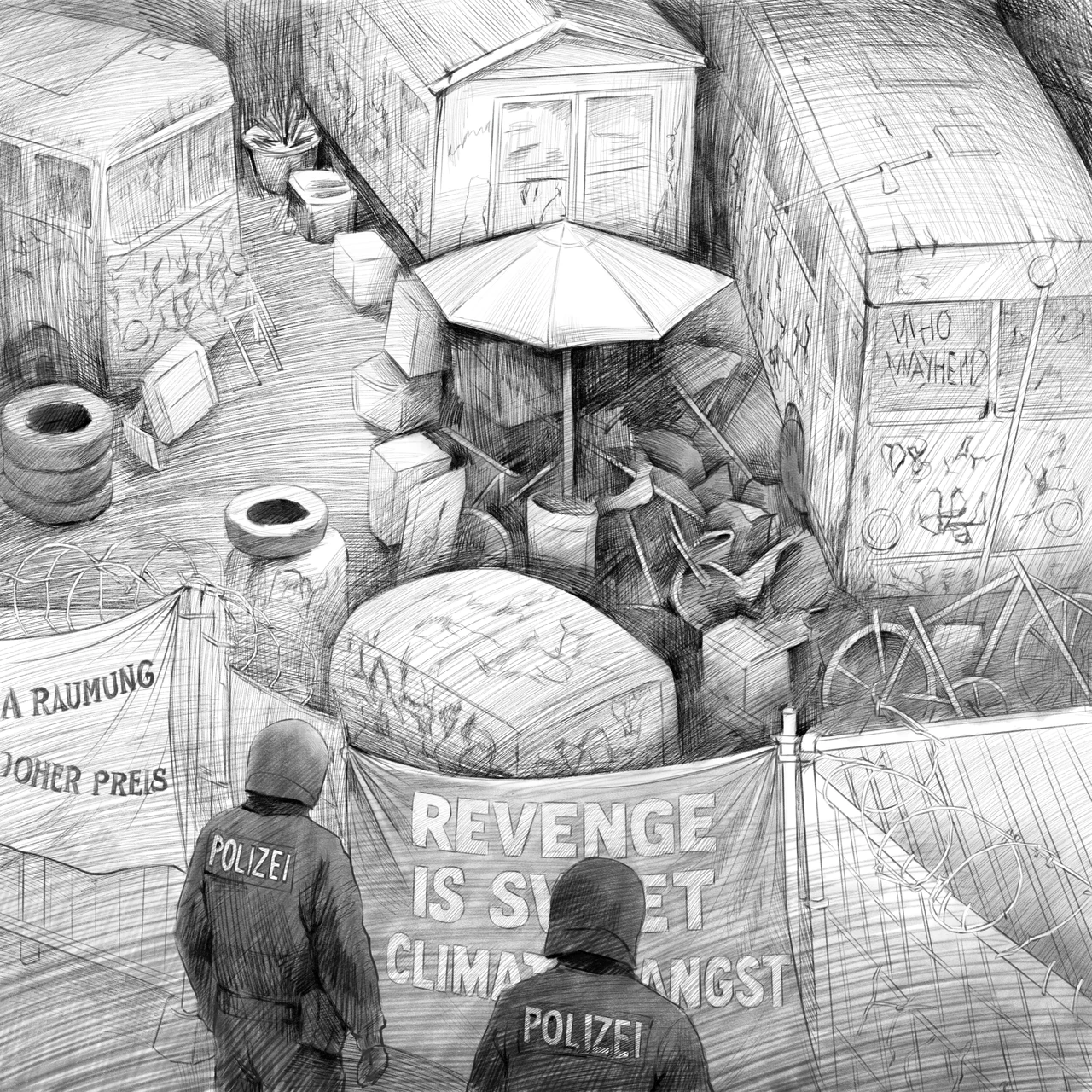
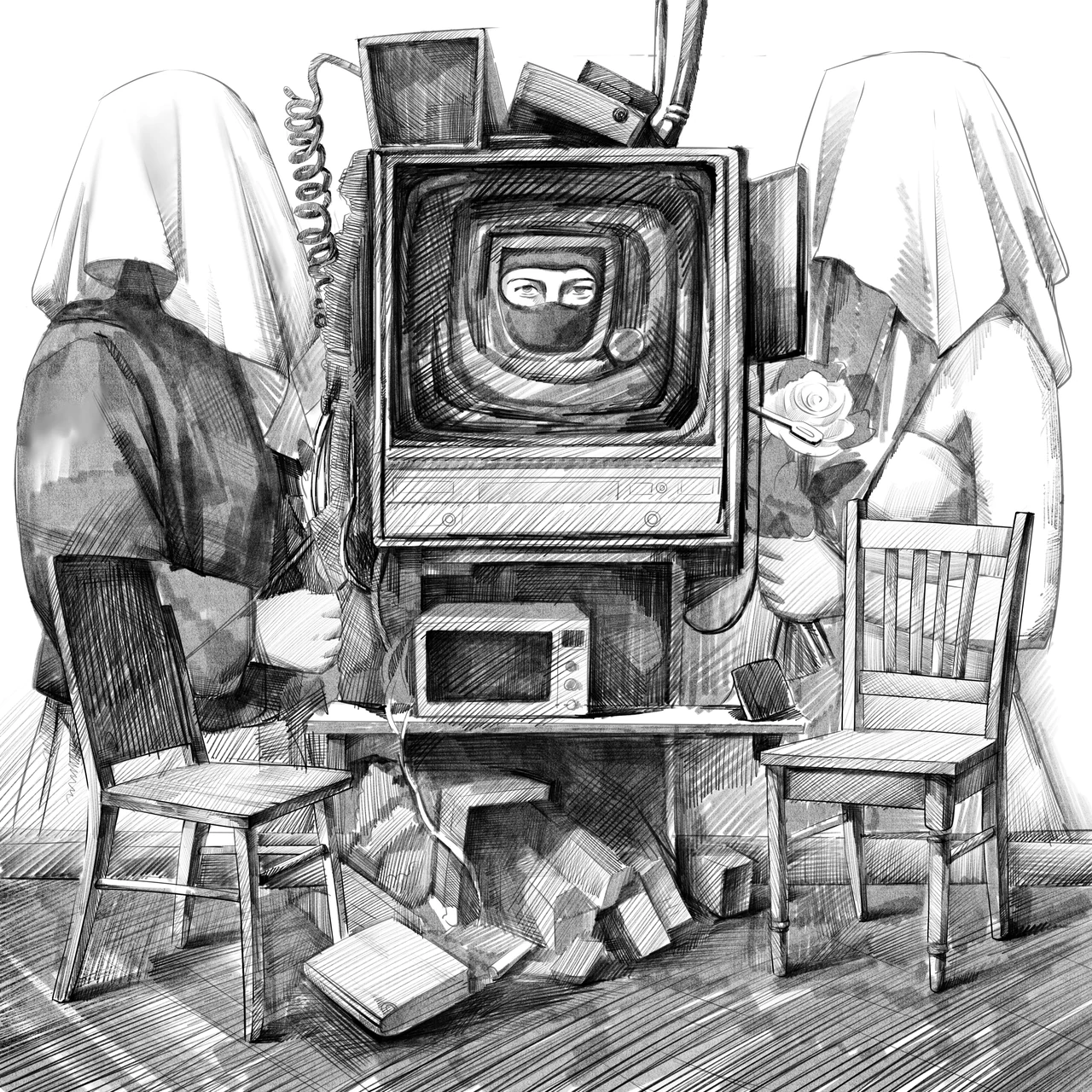
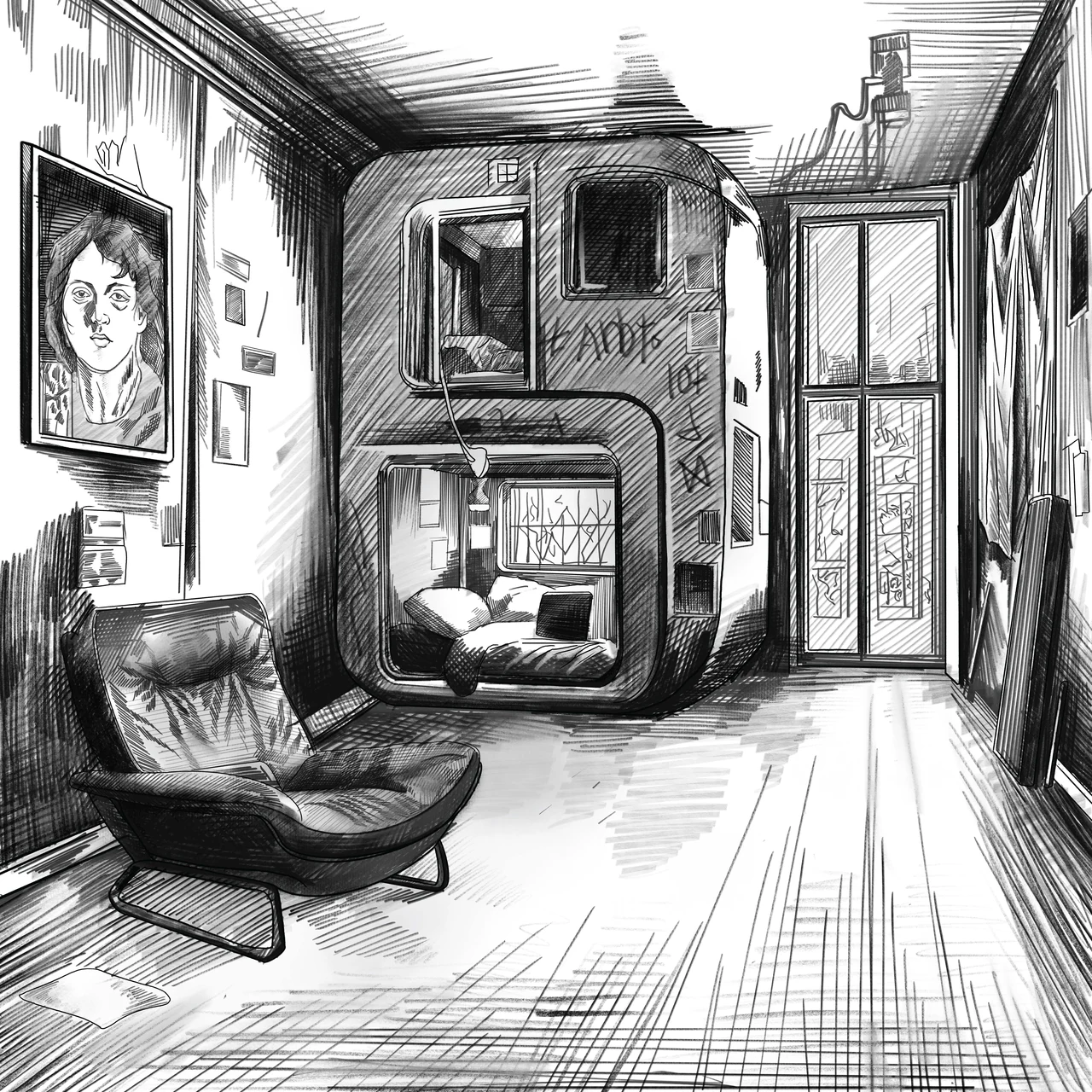
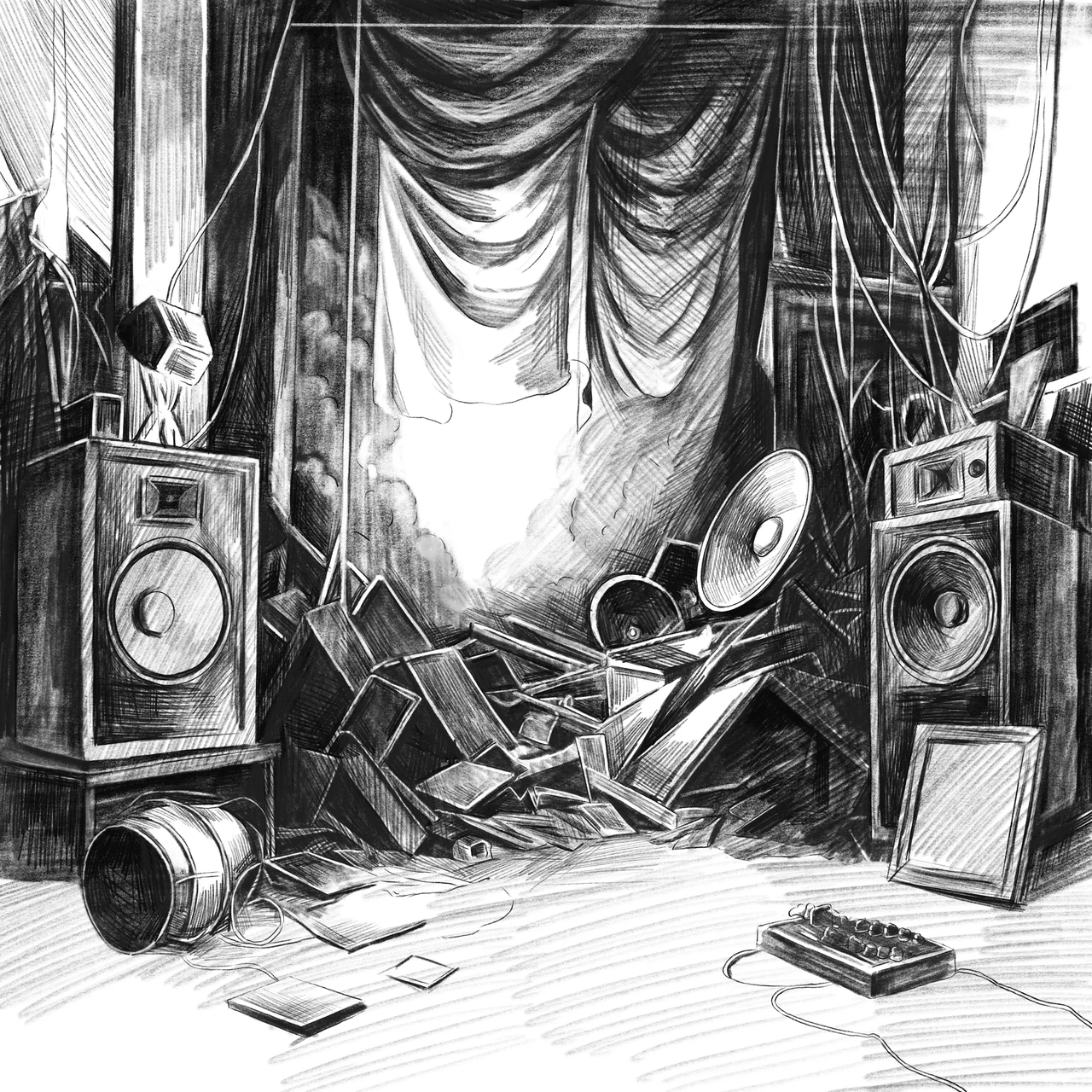
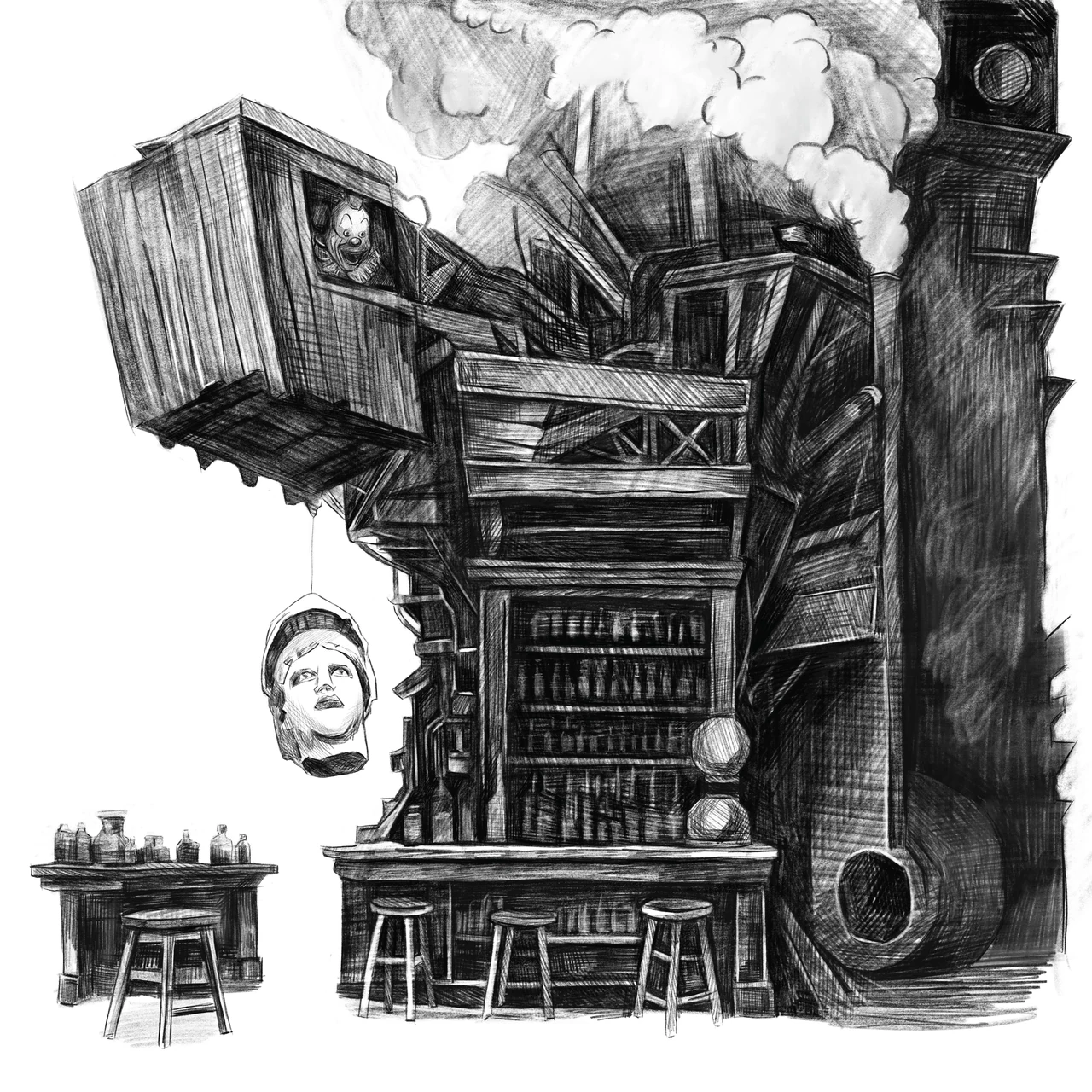
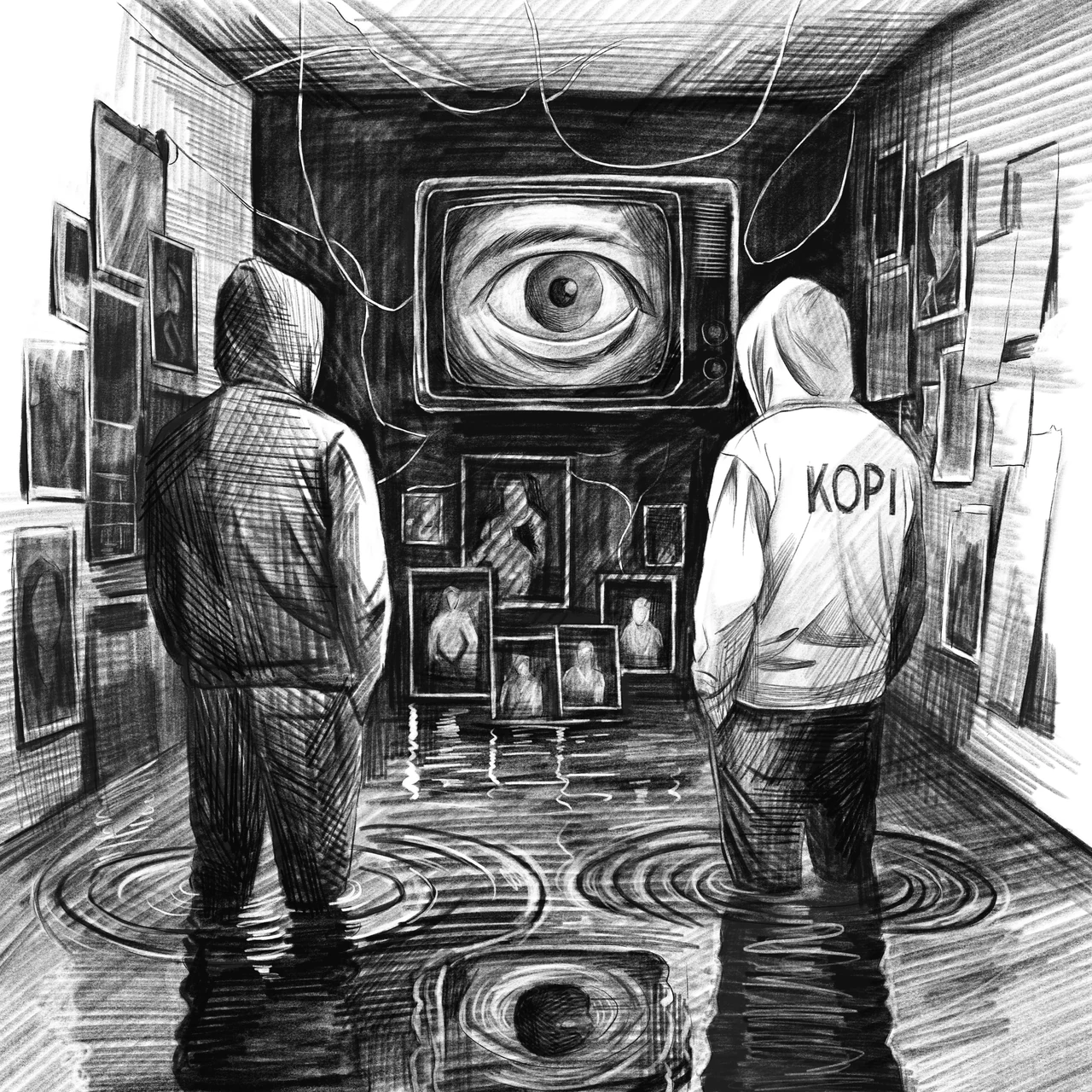
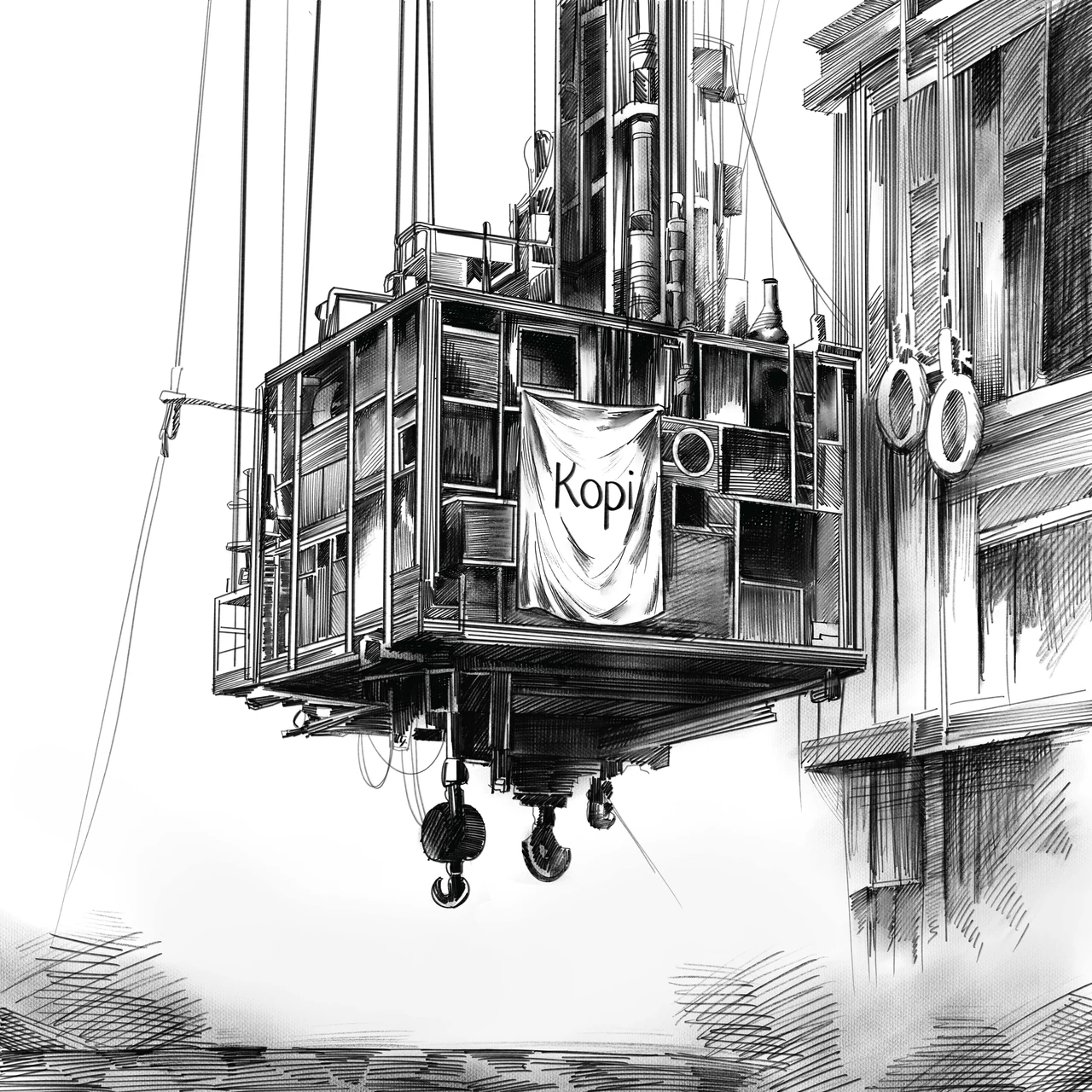
Confronted with this condition, the thesis adopts drawing as an alternative imaging practice. Rather than serving as illustration, drawing becomes a method of recording spatial experience under restriction—a way to register what cannot be captured through conventional architectural documentation. These images do not claim objectivity; instead, they acknowledge subjectivity, memory, and distortion as inevitable components of spatial knowledge under surveillance and control.
Through this process, the project investigates how architecture operates when visibility is denied, and how representation itself can function as a political and spatial act.
Concept
The thesis frames architecture as a form of inappropriate appropriation—a practice that occupies, records, and reclaims space through means that fall outside institutional approval.
At Köpi, the prohibition of photography and filming was not merely a security measure, but a spatial strategy: controlling visibility became a way to control narrative, legality, and memory. In response, this project treats drawing as an act of spatial trespass—an unauthorized mode of imaging that resists the erasure produced by surveillance regimes.
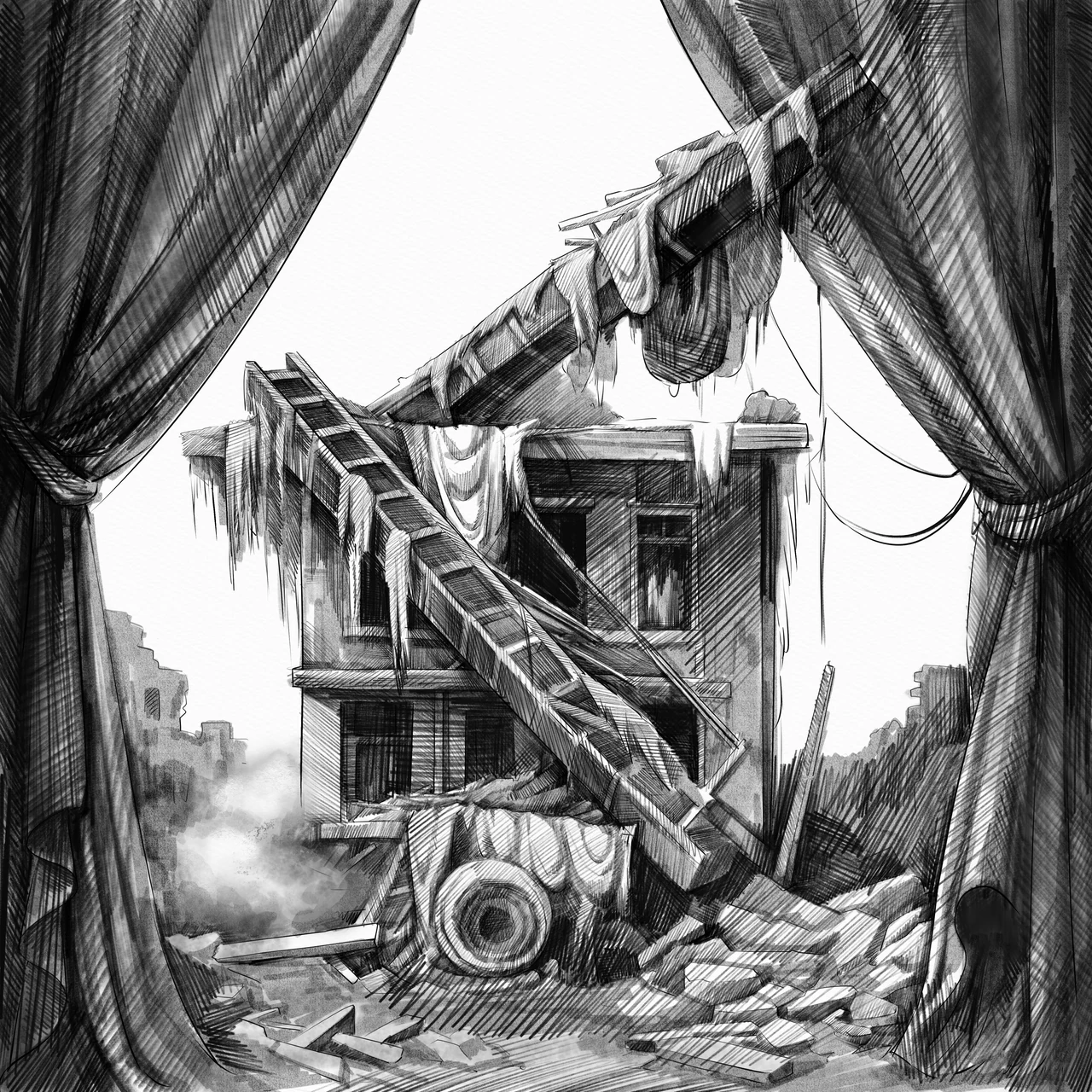
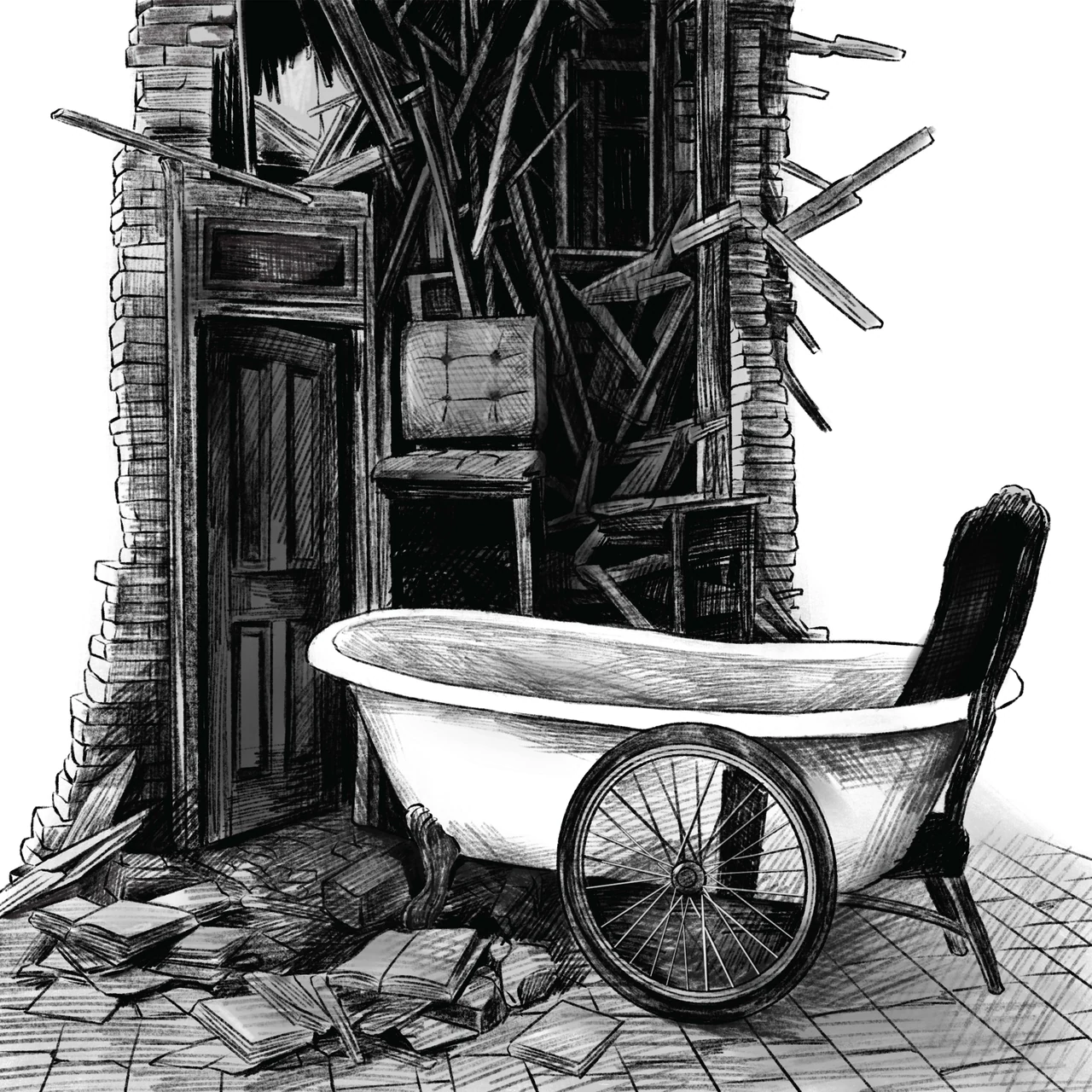
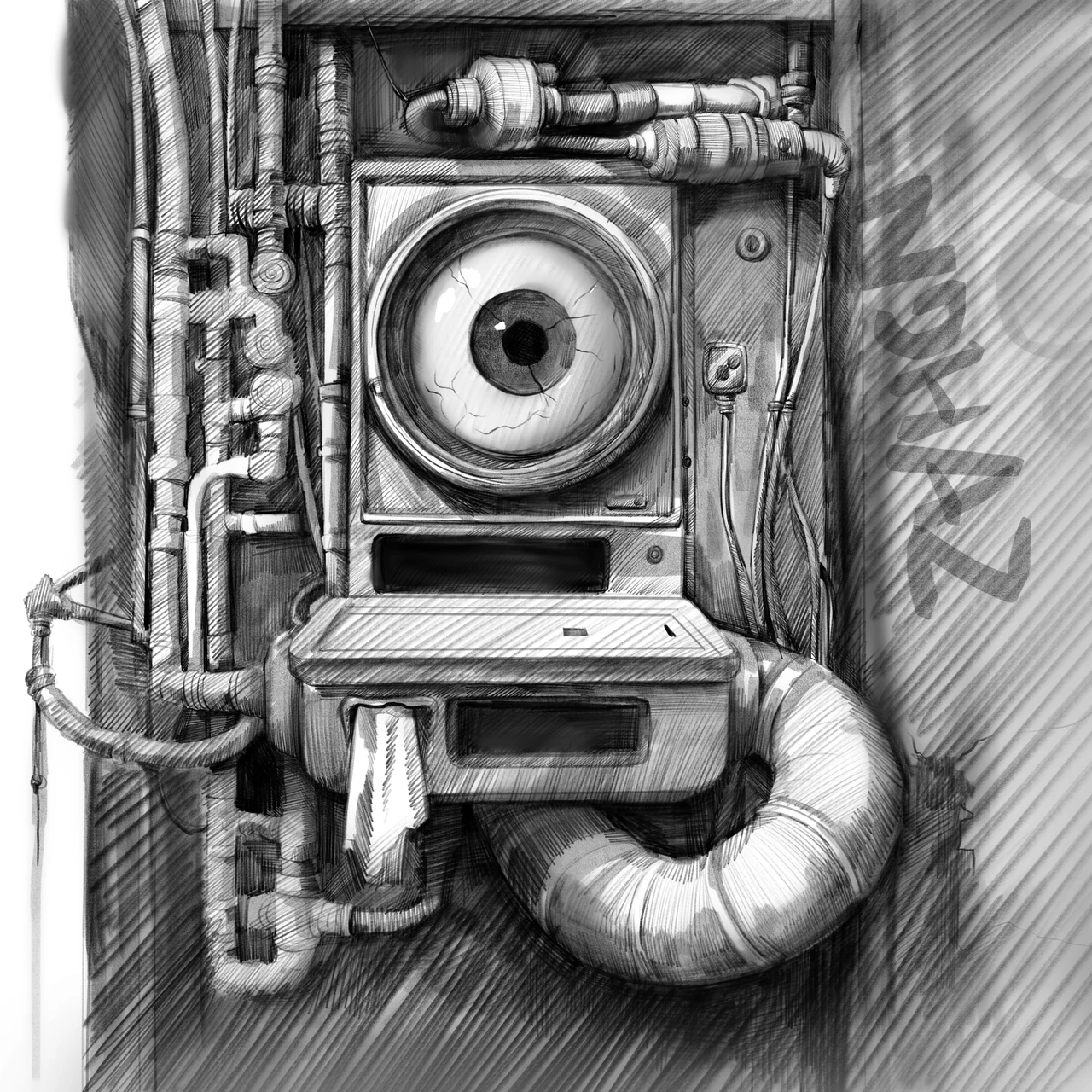
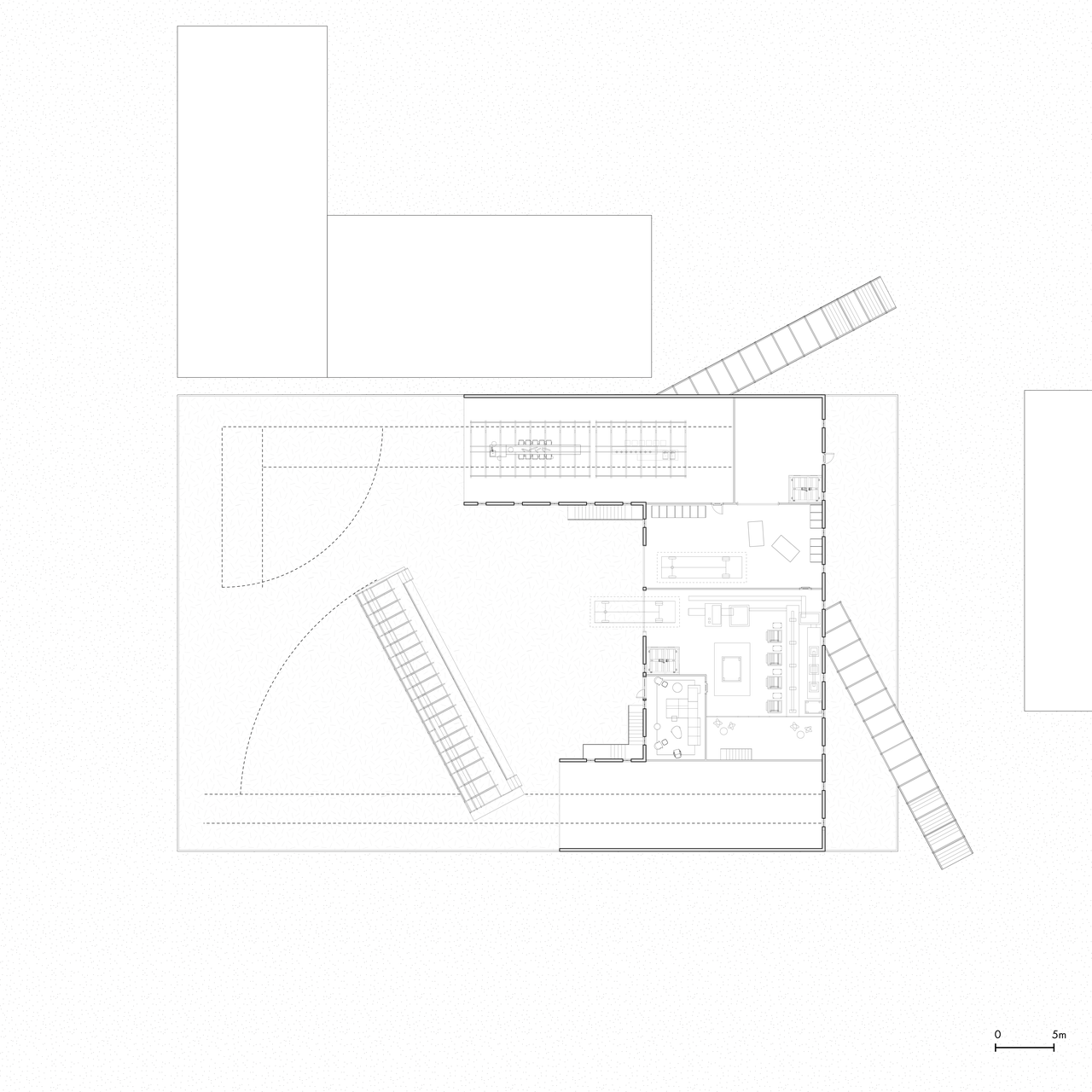
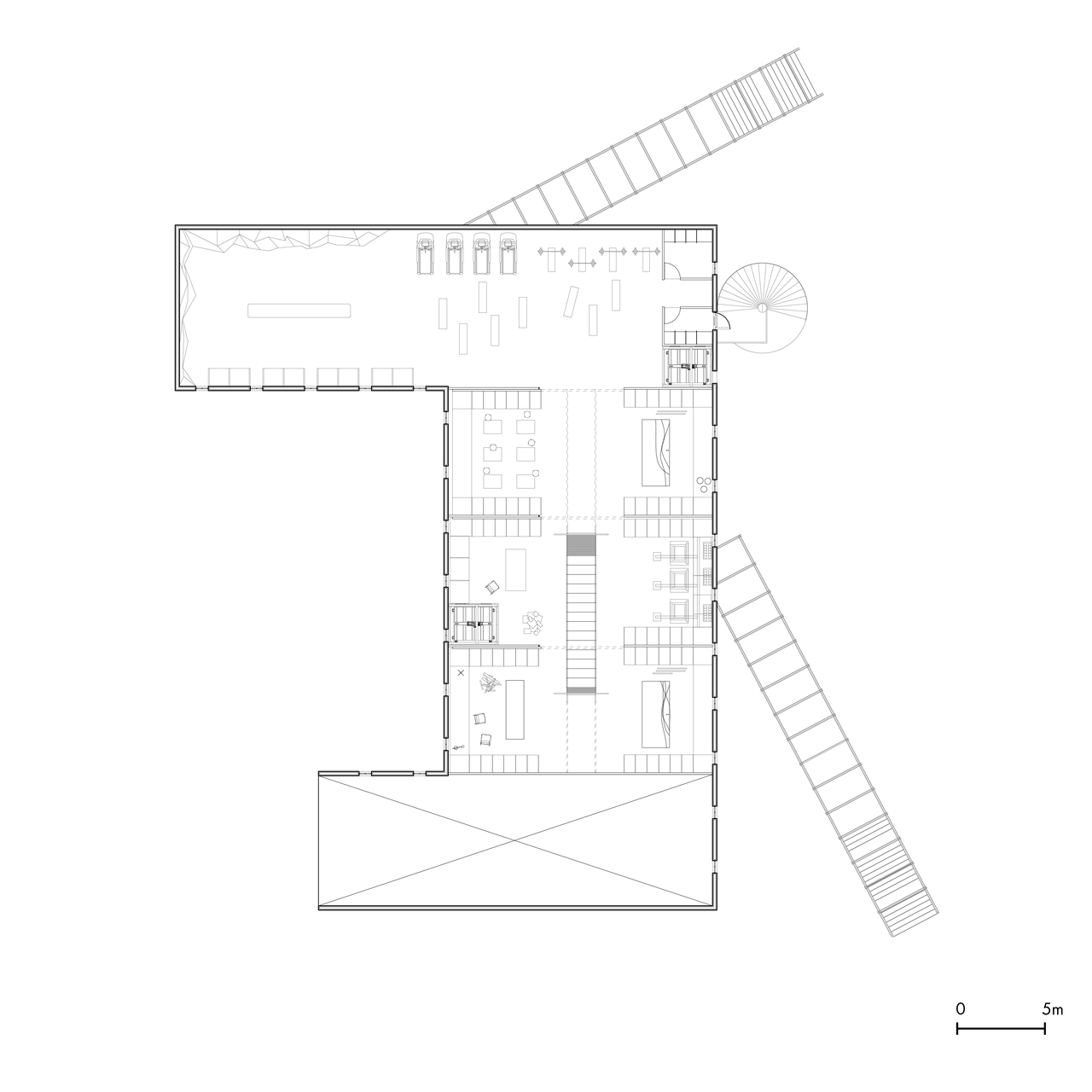
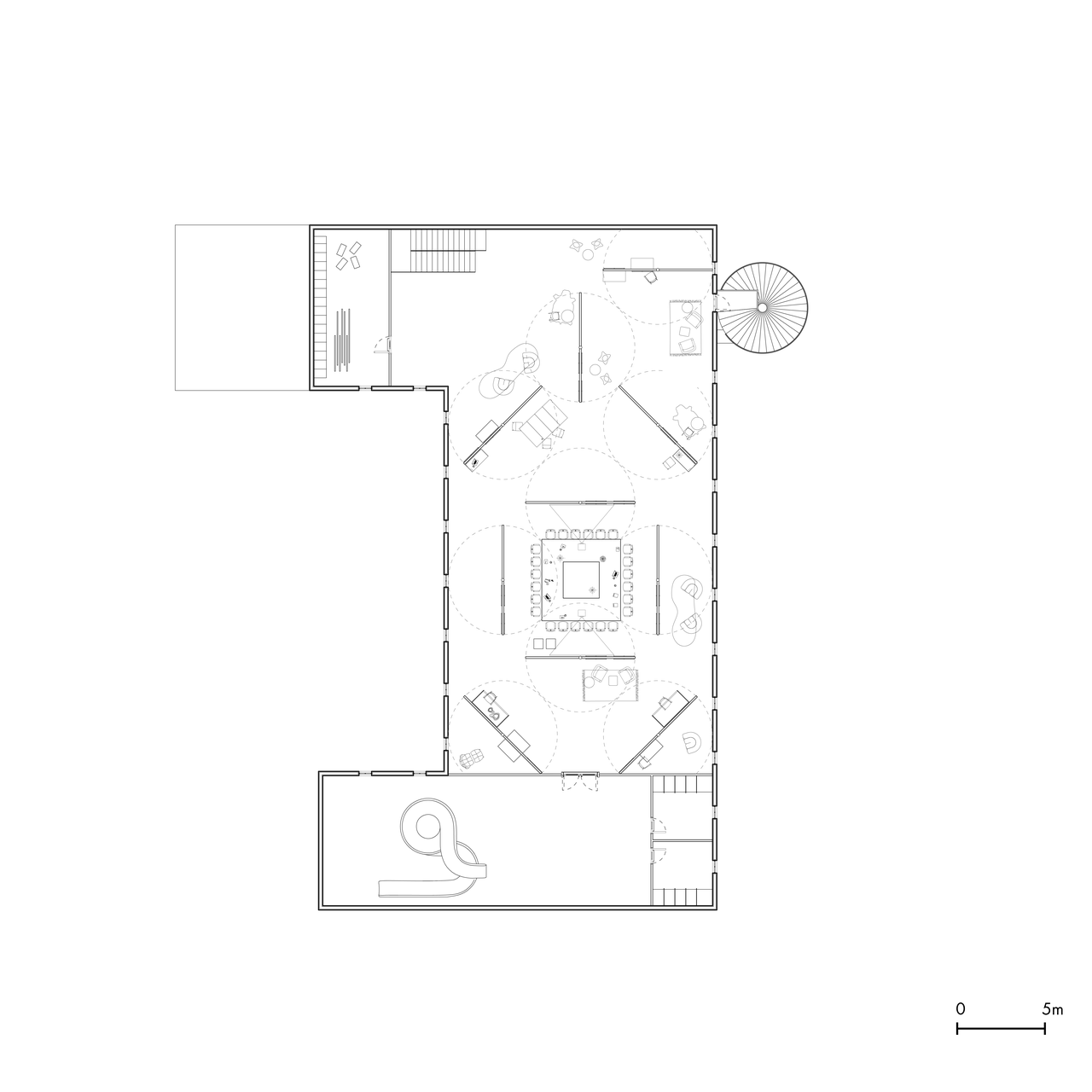
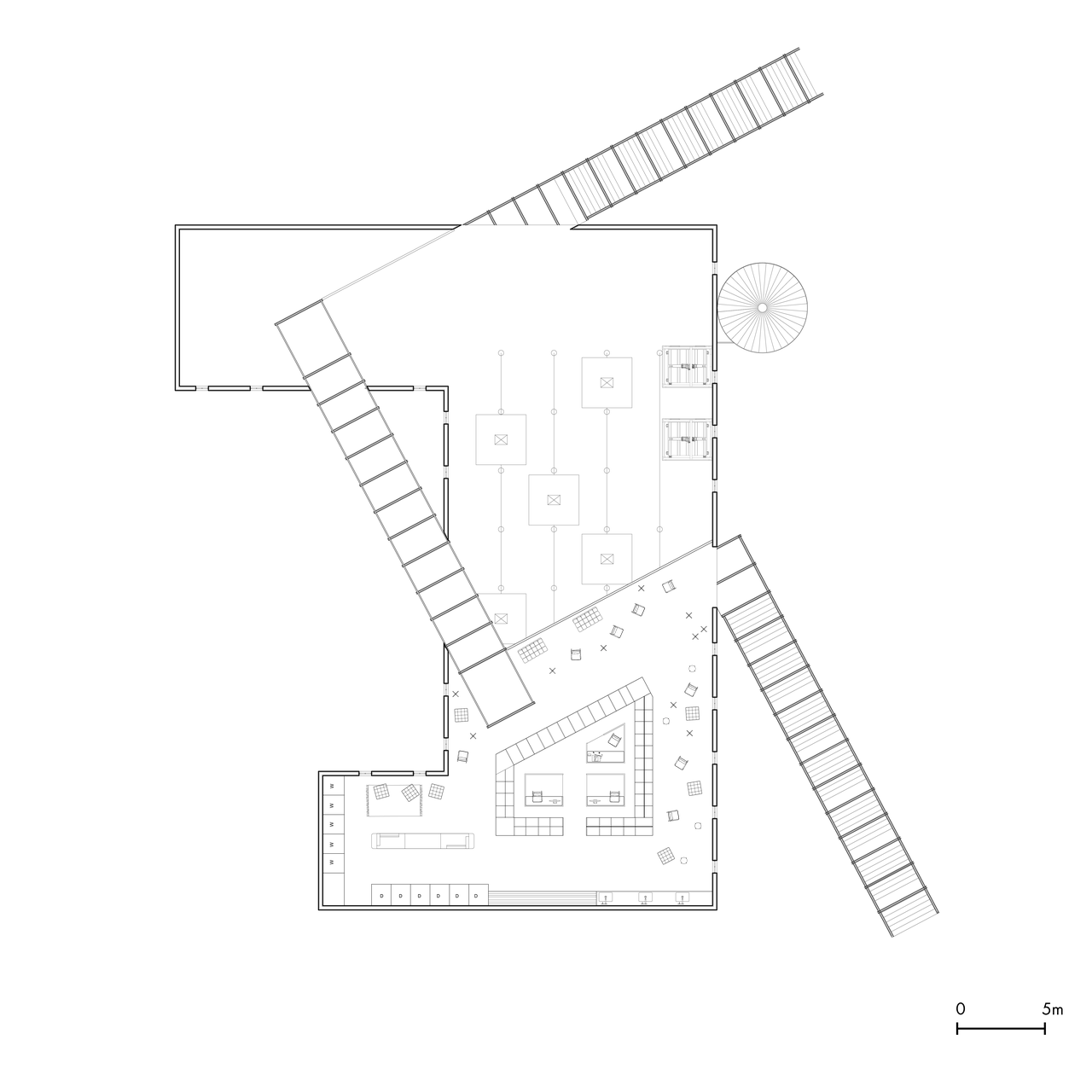
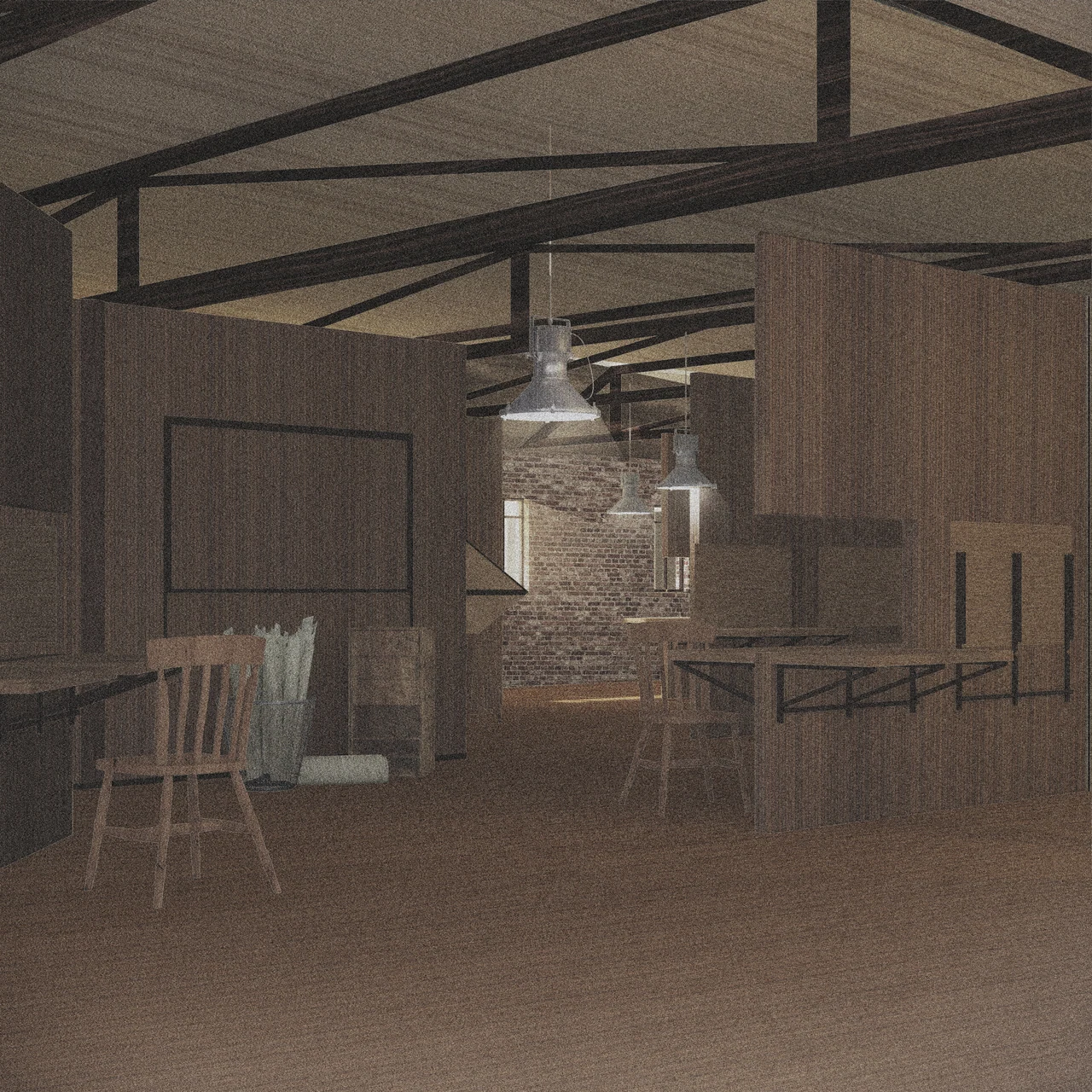
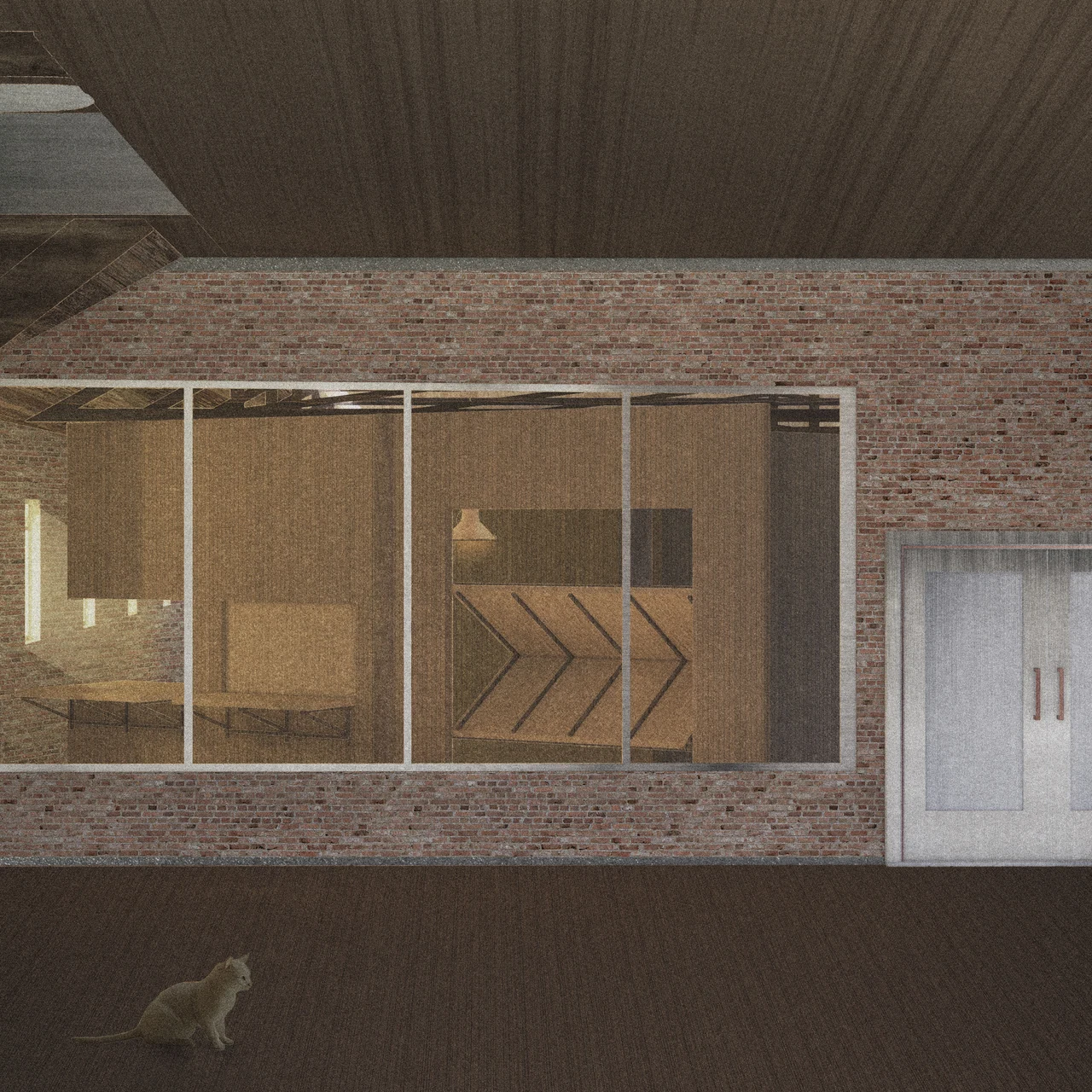
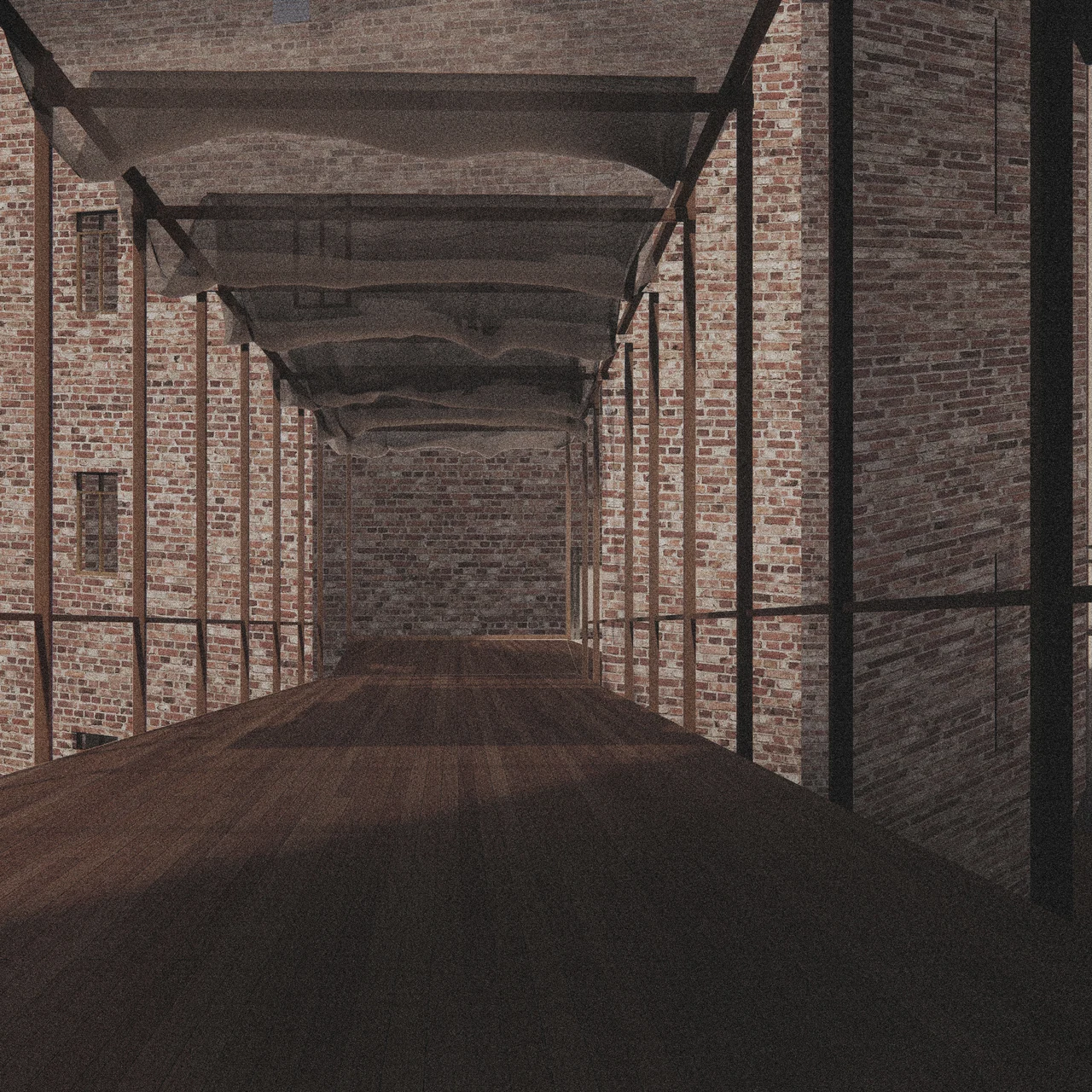
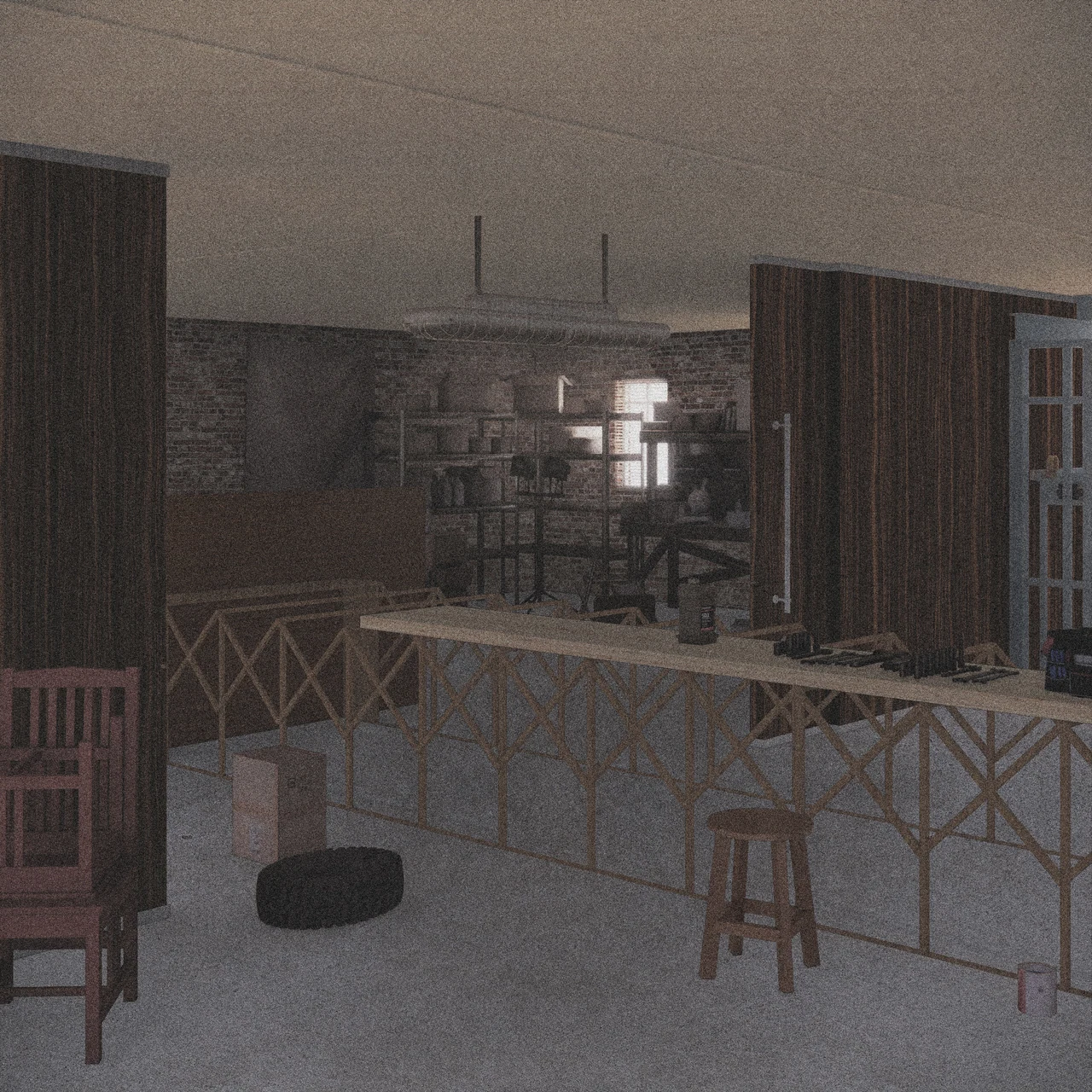
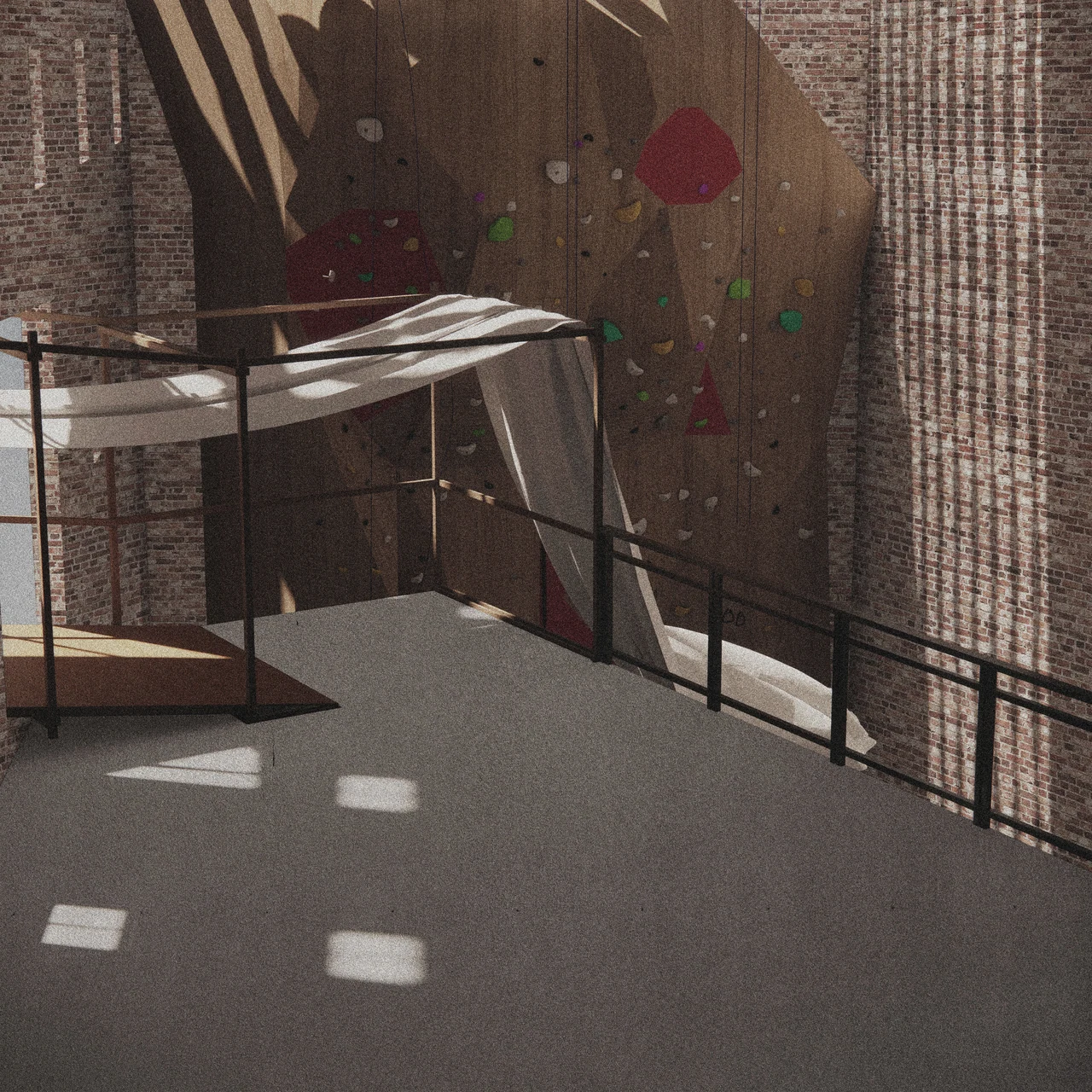
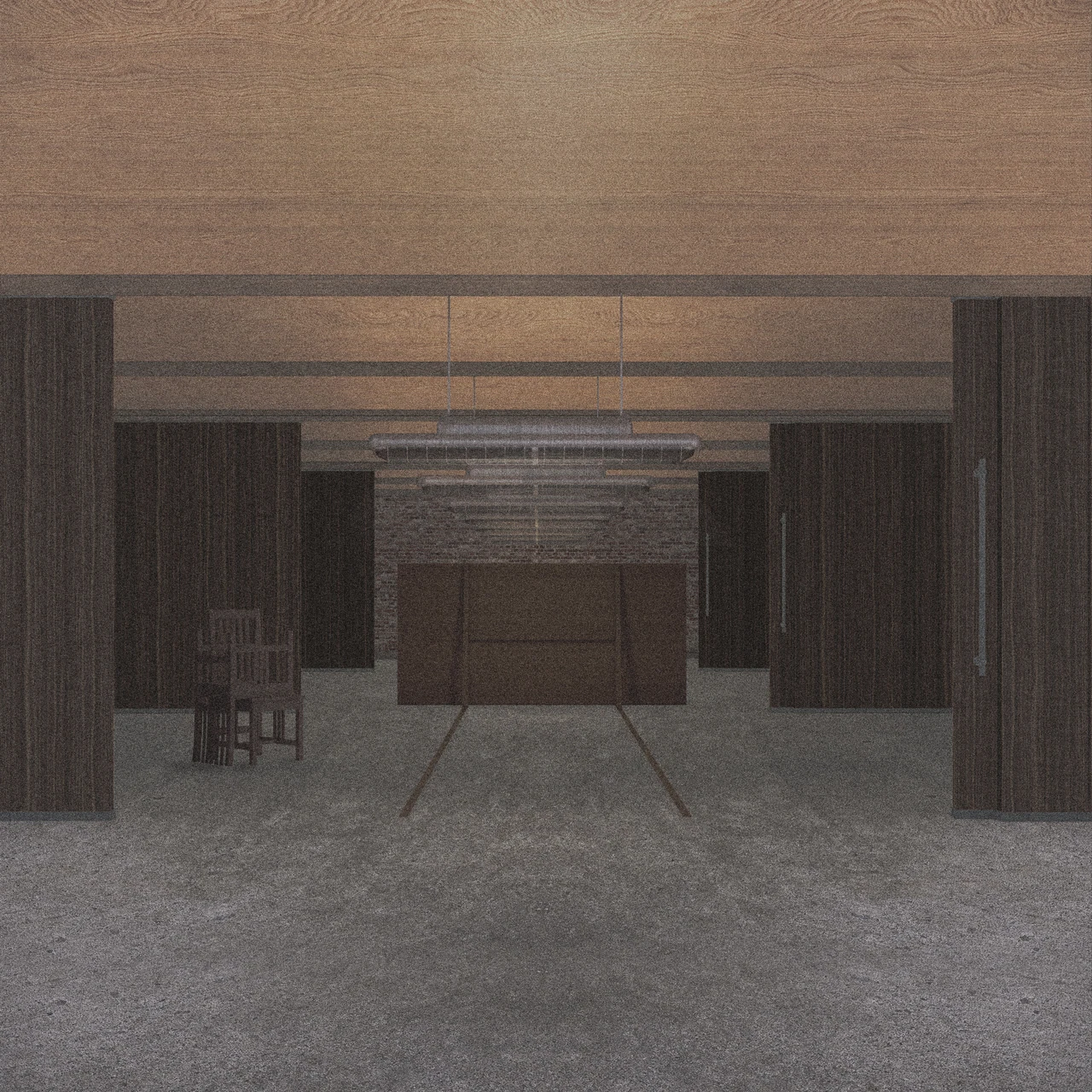
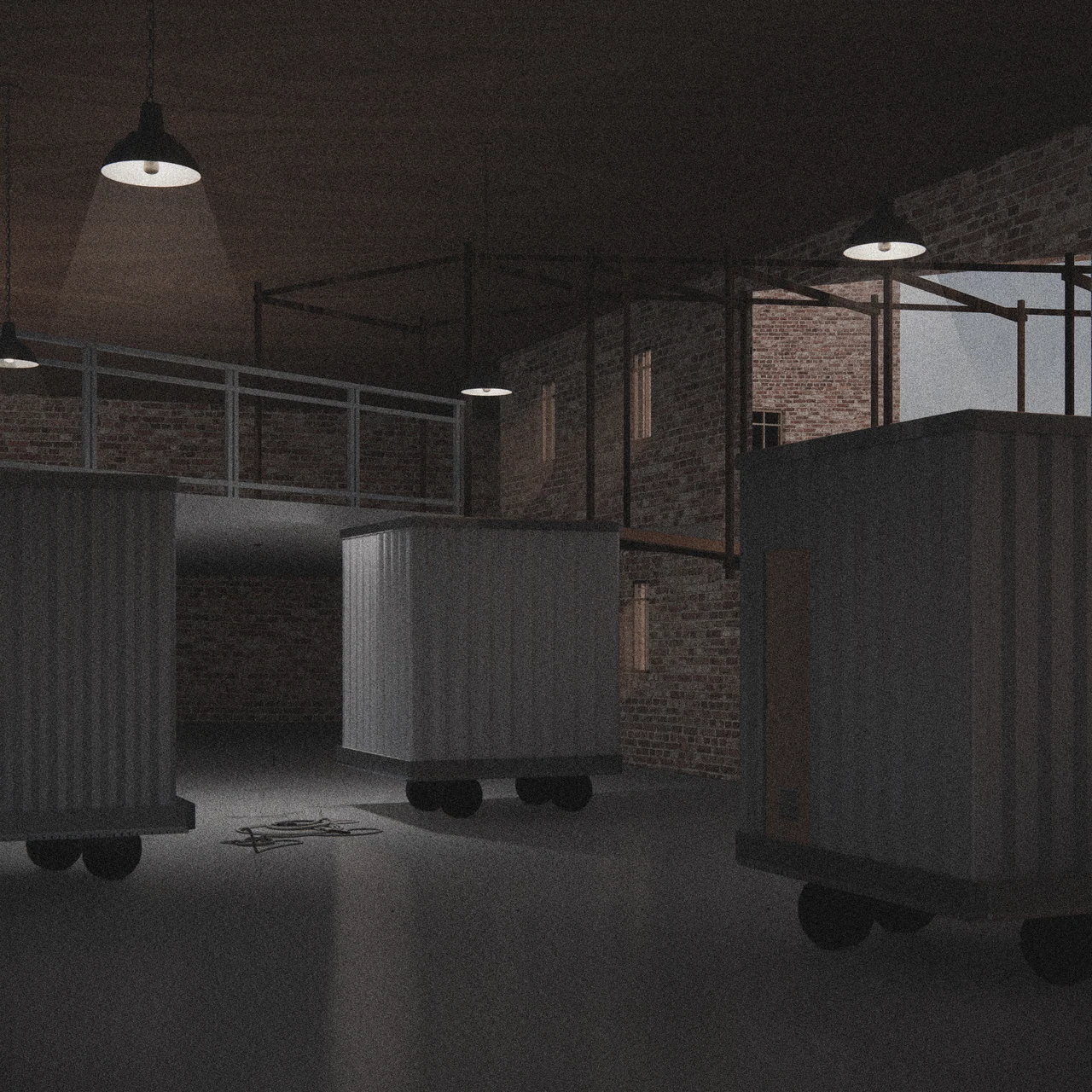
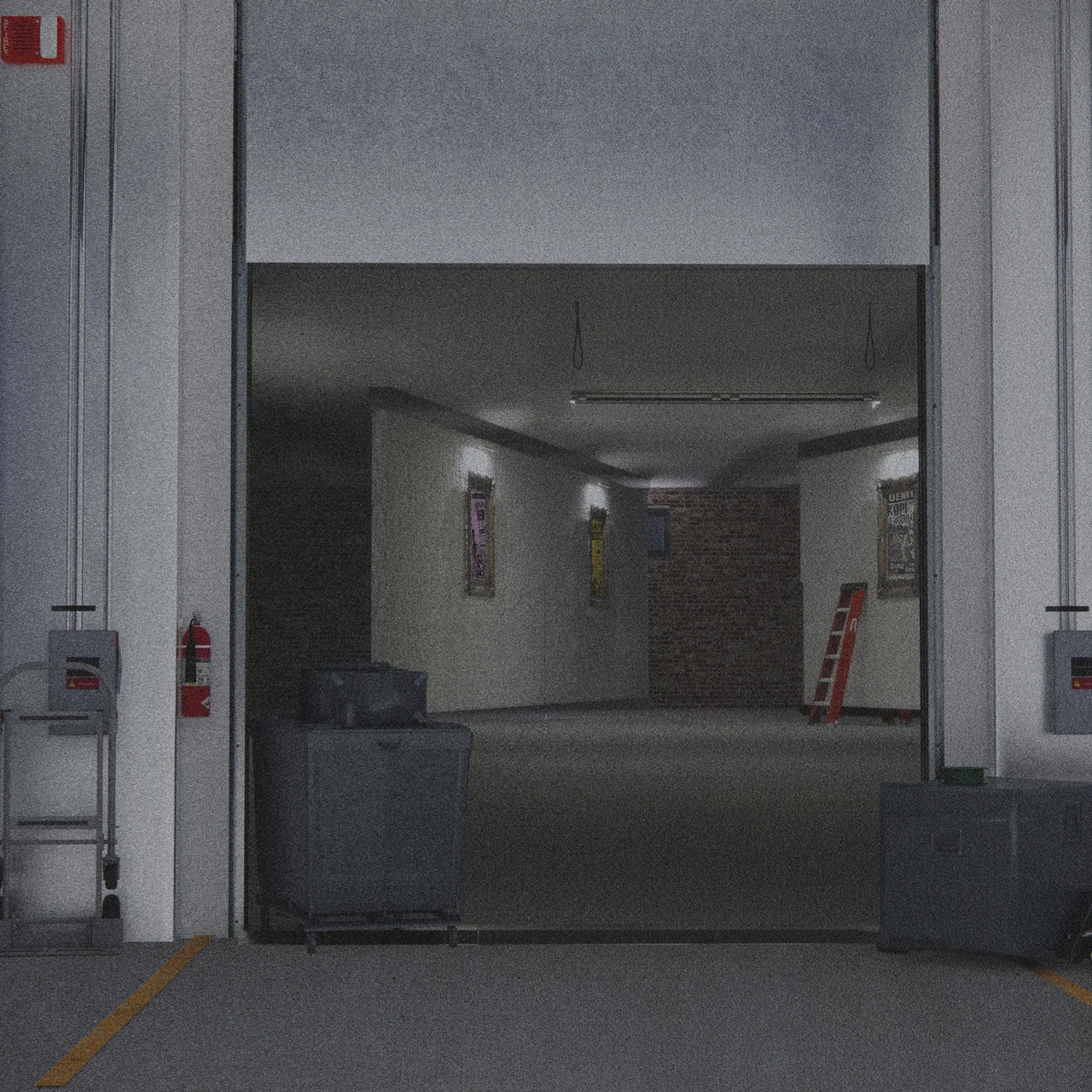
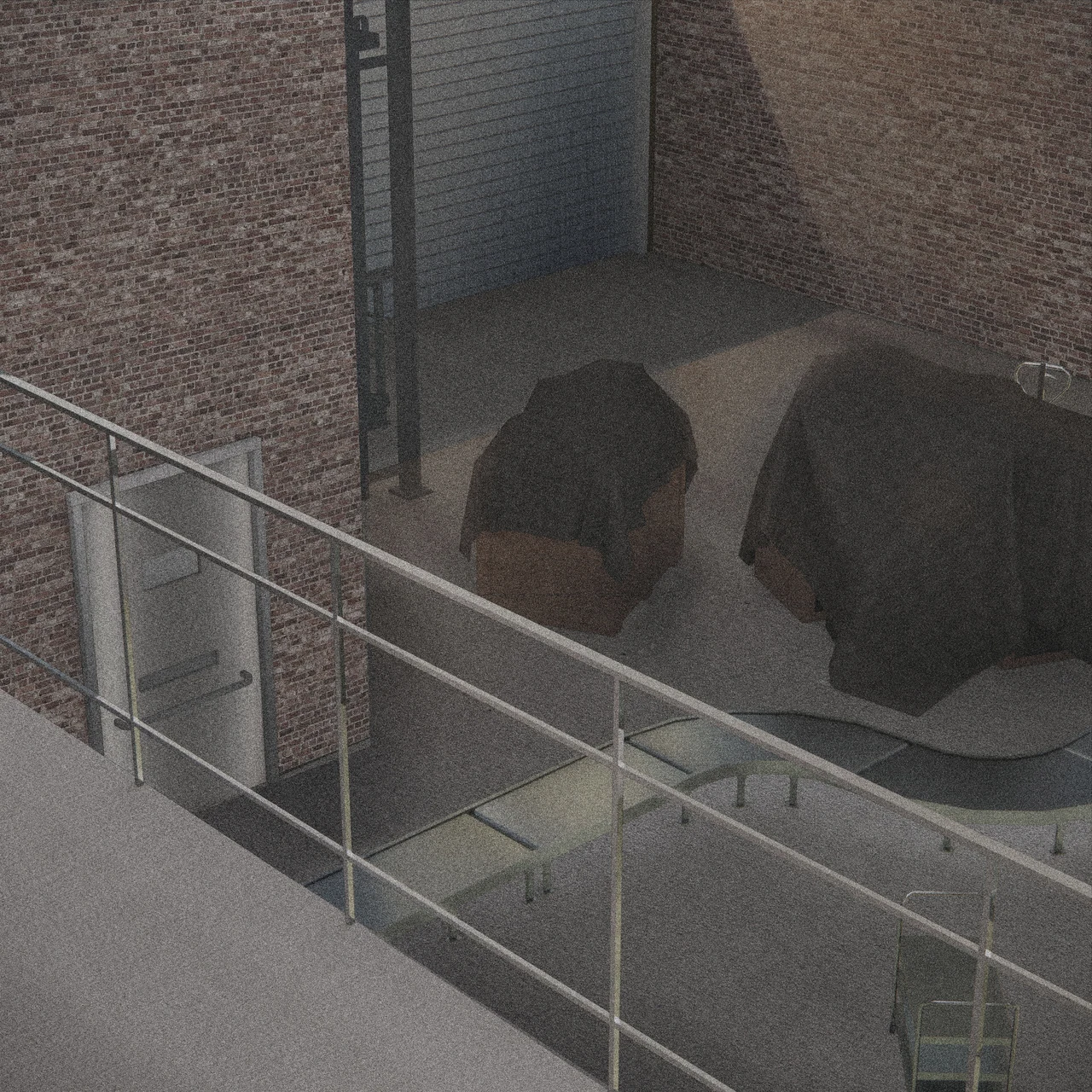
The drawings do not aim to reconstruct the site accurately. Instead, they operate as situated records, capturing interior scenes, improvised structures, domestic rituals, barricades, and moments of tension between everyday life and imminent displacement. These images blur the boundary between documentation and speculation, between observation and imagination.
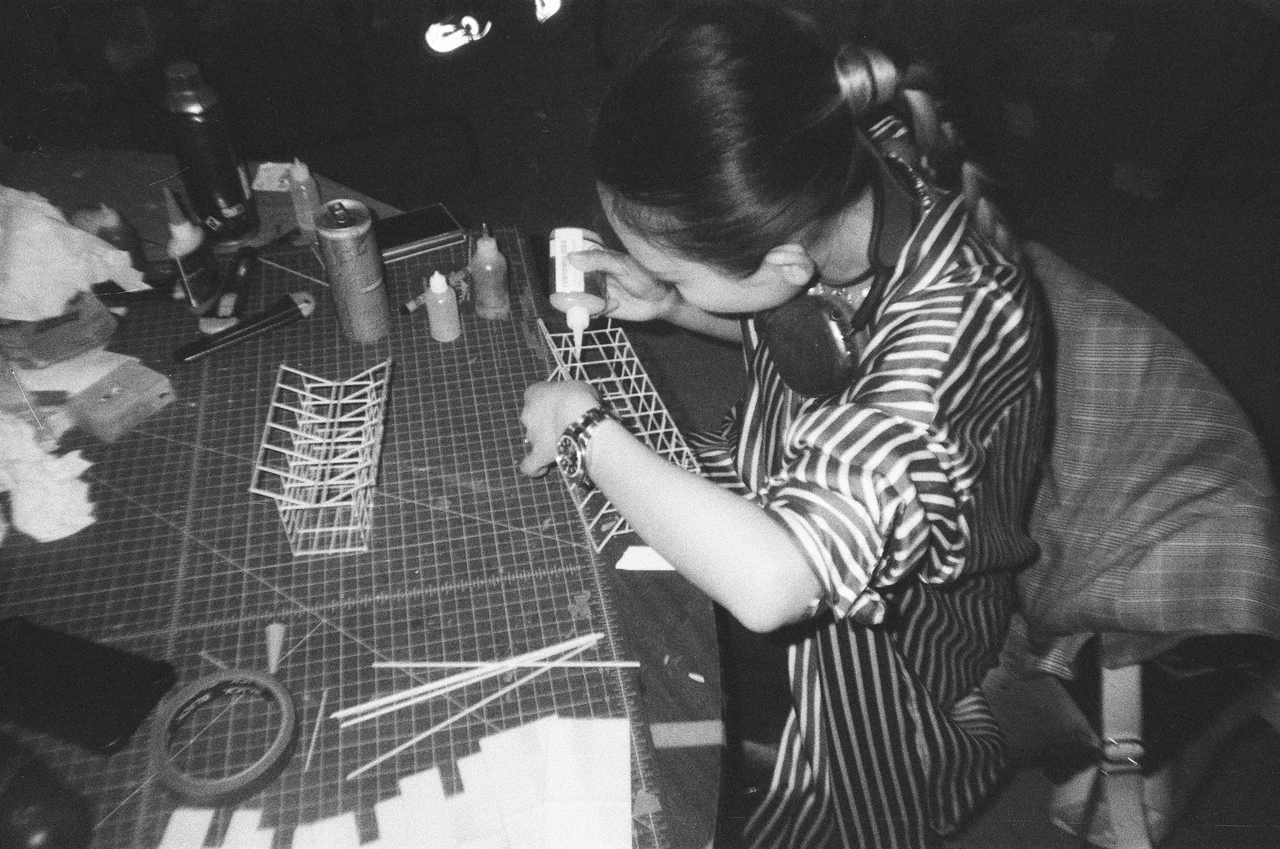
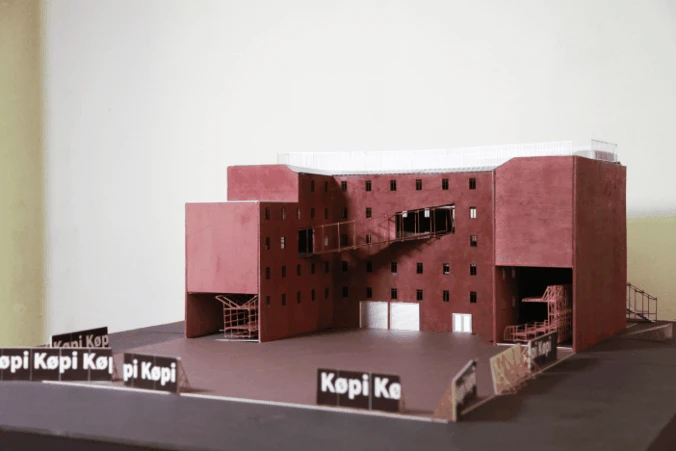
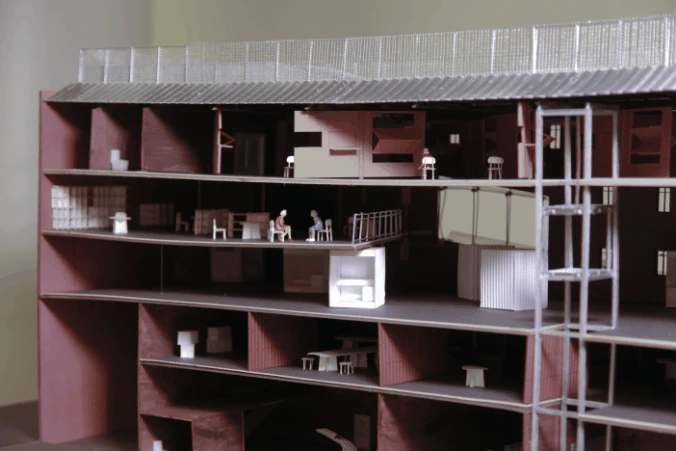
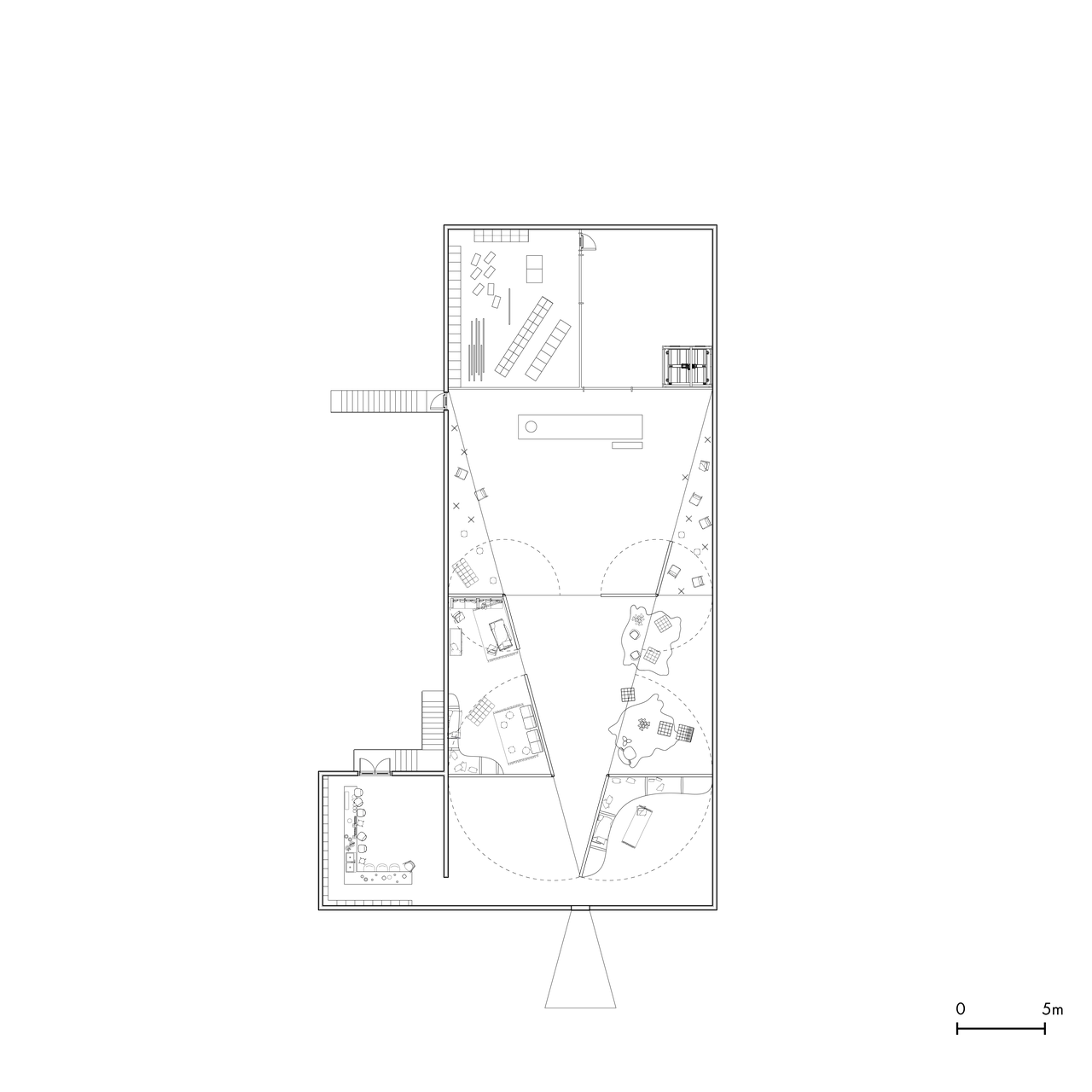
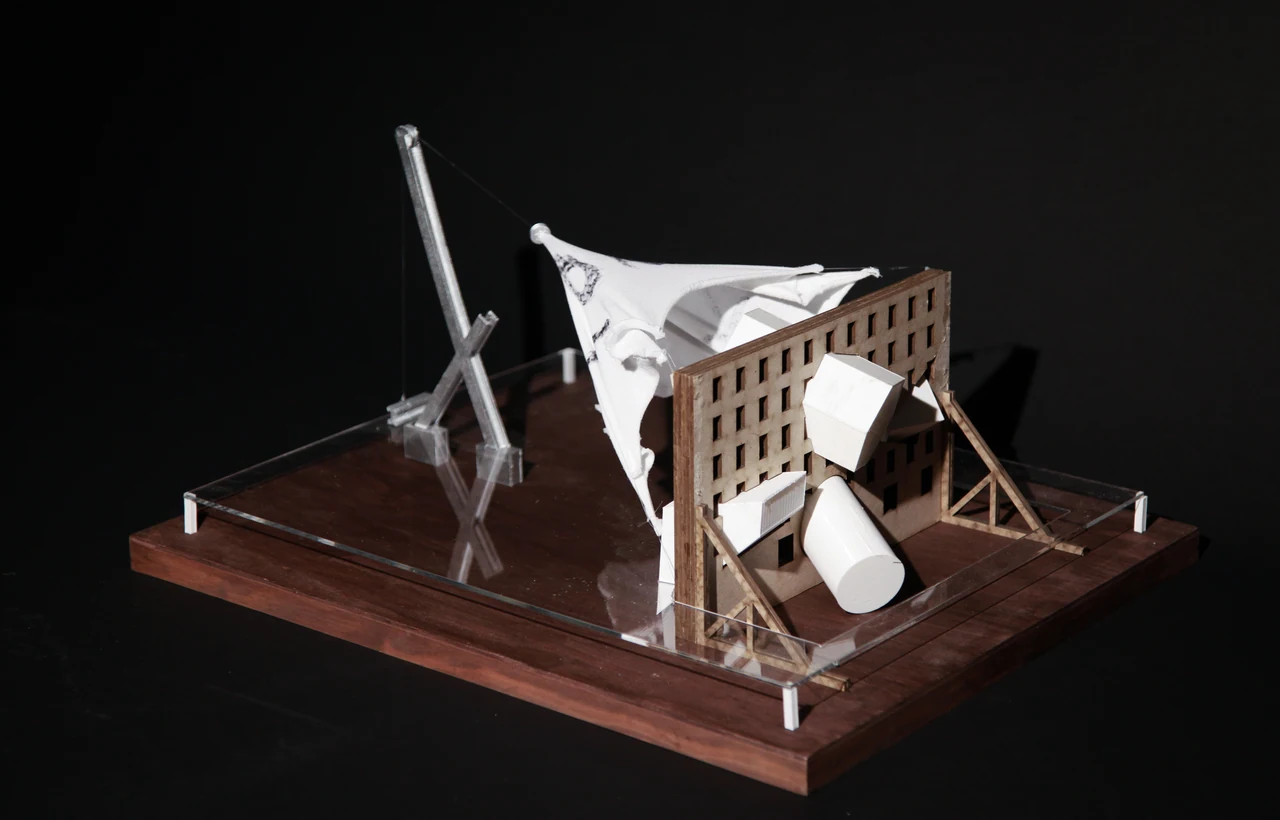
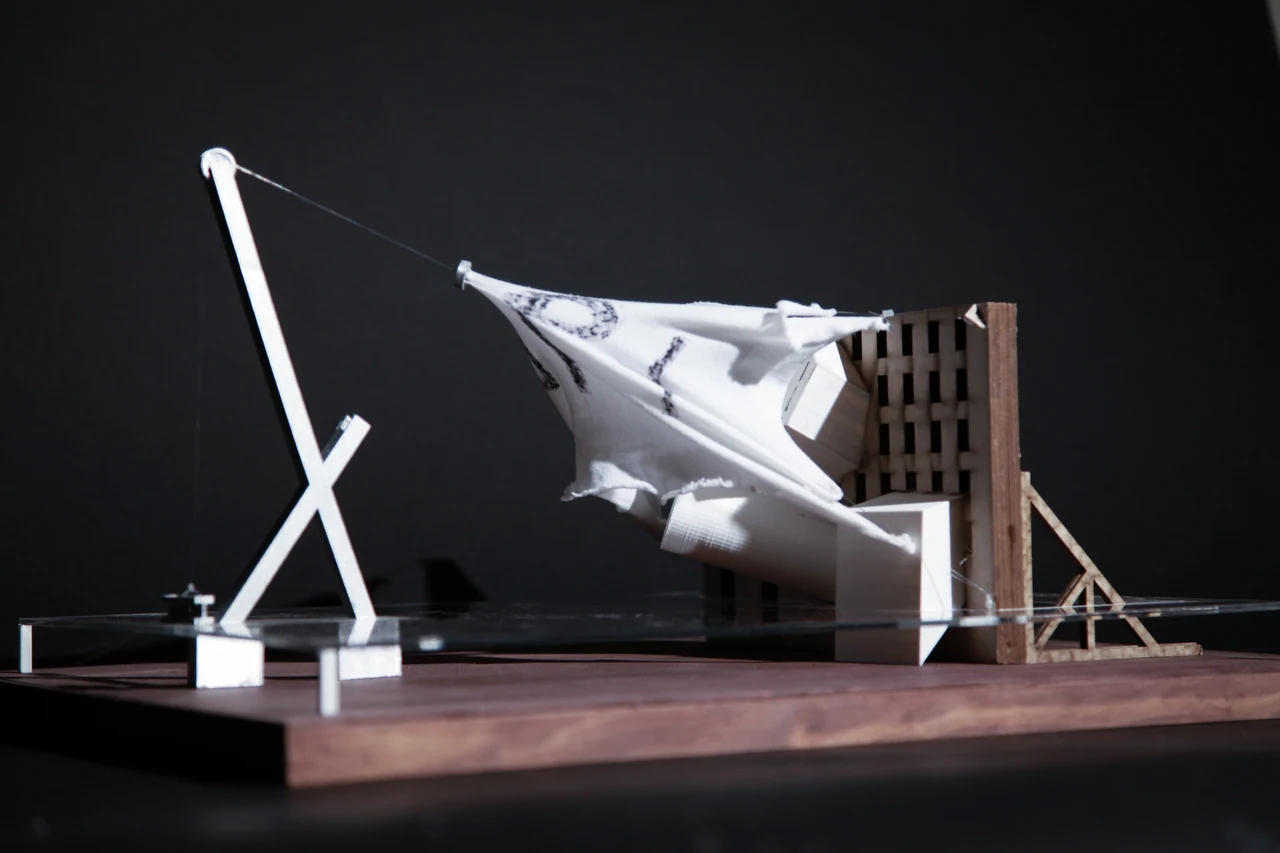
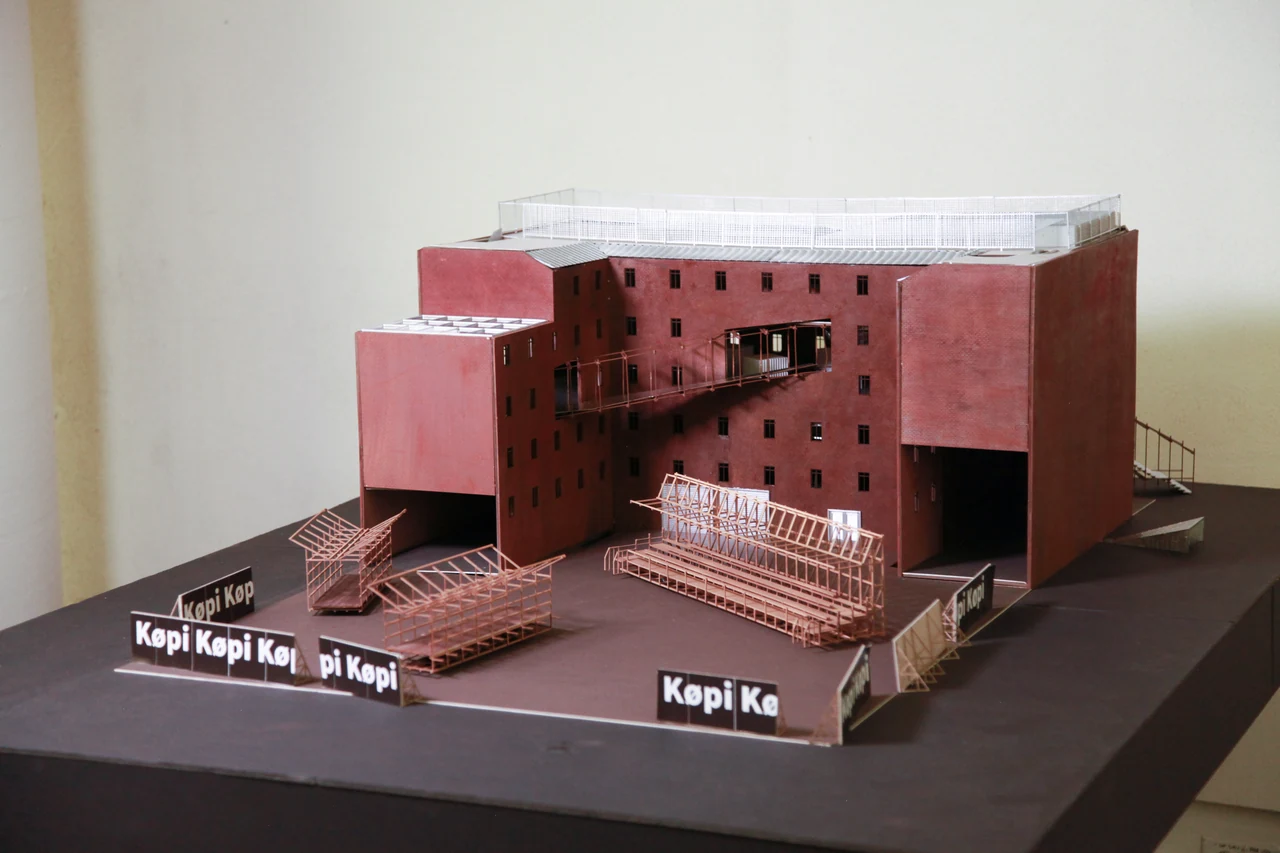
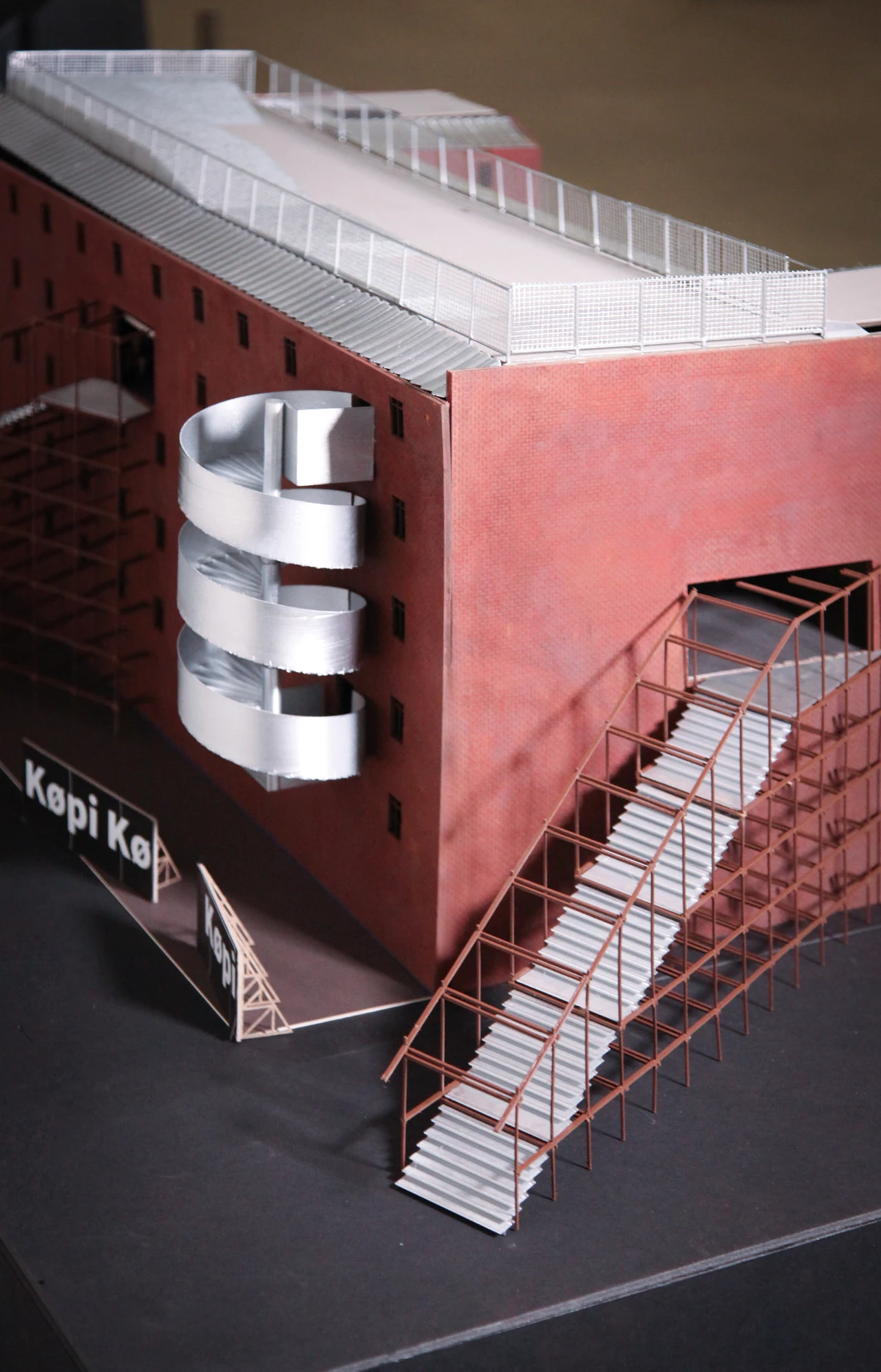
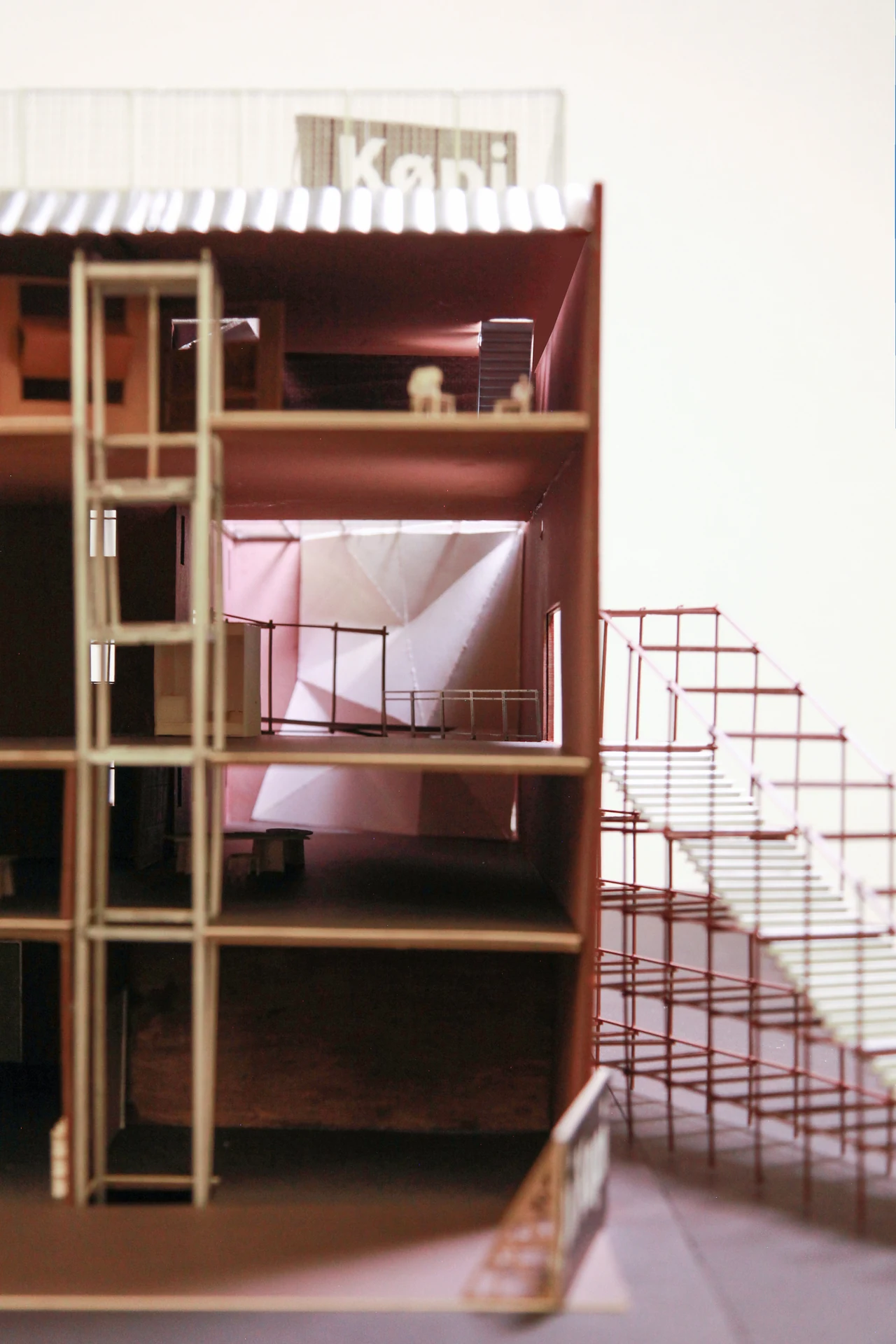
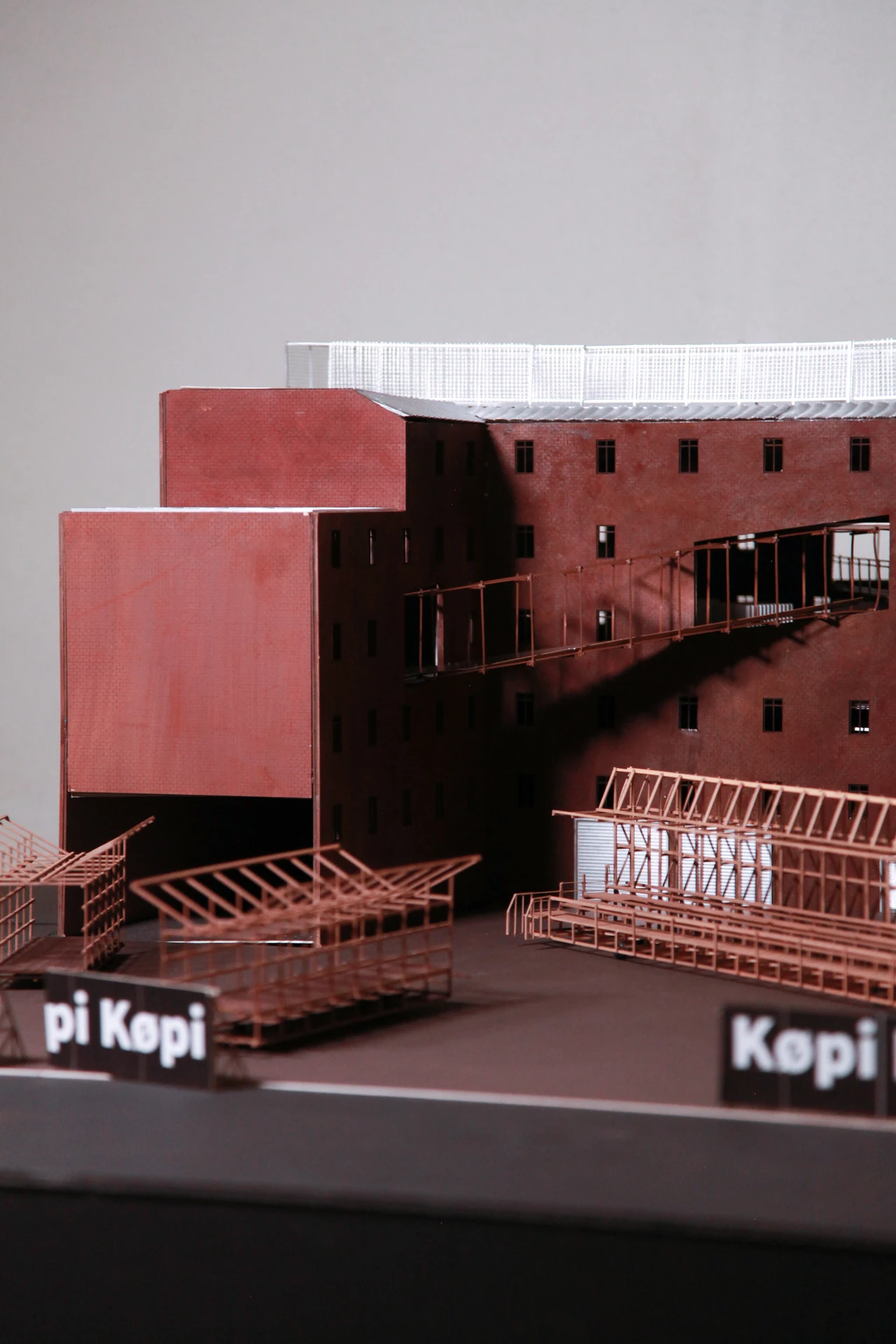
Architecture, in this thesis, is not limited to built form. It exists in the act of occupation, in the layering of temporary structures, in the transformation of domestic space into political space, and in the conflict between informal use and formal authority. By translating these drawn scenes into spatial models and architectural propositions, the project explores how symbolic disobedience can become architectural logic.
Ultimately, Inappropriate Appropriation argues that when official representation is denied, alternative forms of imaging are not only necessary—they are architectural acts in themselves.


Many thanks to:
Mindy, Xinyi, Yvonne